Picky Eater Food Chart
Do you have a picky eater at home? You’re not alone! Many parents struggle with mealtime battles to get their kids to eat a balanced diet.
Picky eating can lead to nutritional deficiencies and stress for parents and children. It is crucial to address these issues early on to ensure children receive the nutrients they need for proper growth and development.
This blog post aims to provide a comprehensive picky-eater food chart to help parents and caregivers manage picky eating habits effectively.
Using a well-structured food chart, you can introduce variety into your child’s diet, making mealtimes more enjoyable and less stressful for everyone involved.
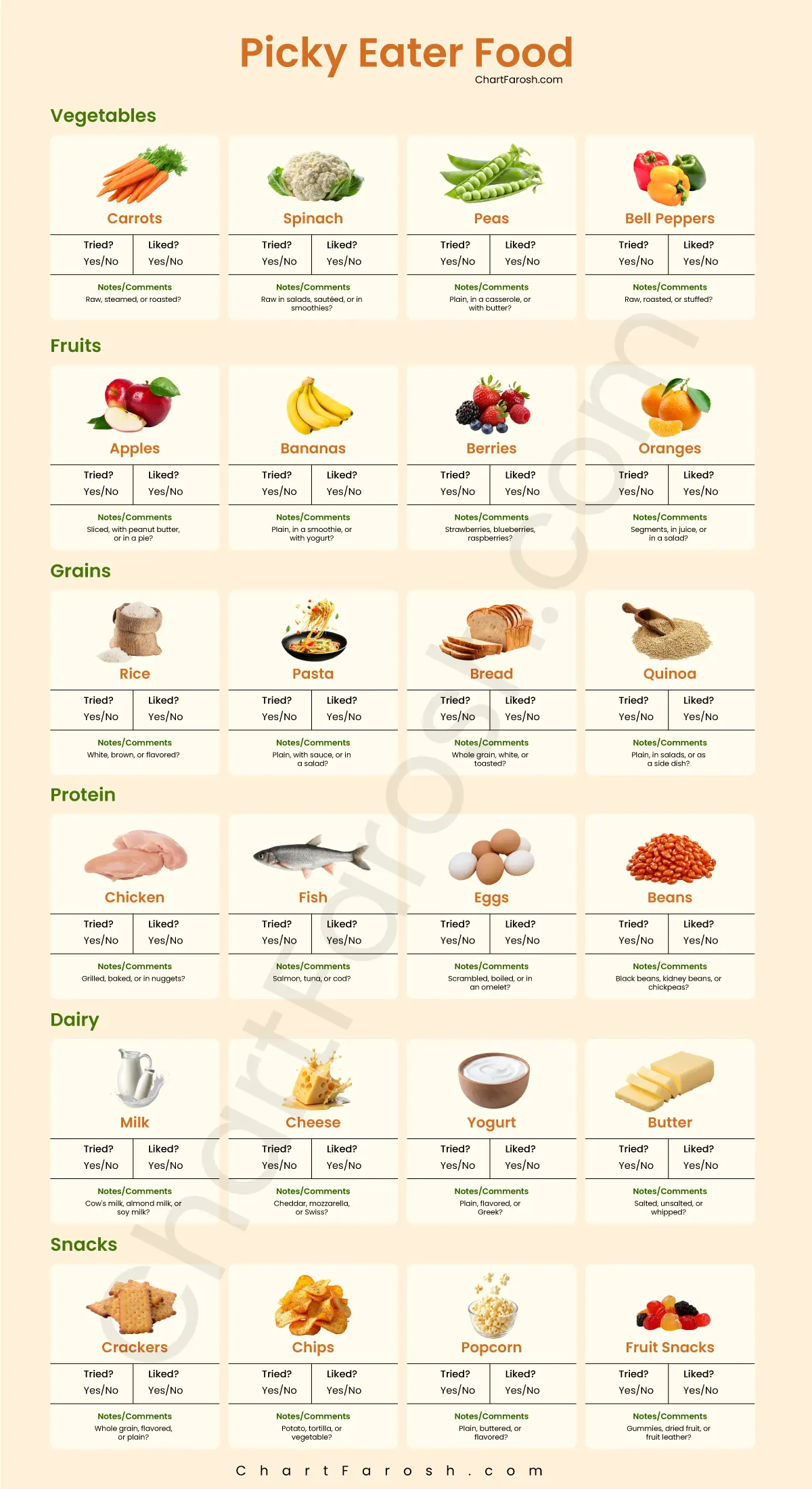
Table of Contents
Picky Eater Food Chart
Recent stats show that children’s increasing obesity is due to an unhealthy diet. Eating particular food types and bad eating habits cause obesity and weaken the immune system.
Being picky eaters, children reject many healthy food options. Here, the picky eater food chart can help create healthy meals for your children.
Implementing a food chart can promote healthier eating patterns and combat the above issues.
Creating an effective picky eater food chart involves customization, involving the child, and incorporating variety. Parents can encourage?
Proper eating habits and reducing mealtime stress by including essential components such as diverse food groups, setting achievable goals, and using positive reinforcement.
Here are some common traits to know if your child is a picky eater.
- Refusal to try new foods
- Strong preference for specific textures or tastes
- Eating only a few selected foods
- Aversion to entire food groups, such as vegetables or proteins
- Expressing discomfort or distress when presented with unfamiliar foods
The table below has been given for ease to help you plan your kid’s meals the healthy way.
| Category | Food Item | Tried? | Liked? | Notes/Comments |
| Vegetables | Carrots | Yes/No | Yes/No | Raw, steamed, or roasted? |
| Broccoli | Yes/No | Yes/No | Plain, with cheese, or in a stir-fry? | |
| Spinach | Yes/No | Yes/No | Raw in salads, sautéed, or in smoothies? | |
| Peas | Yes/No | Yes/No | Plain, in a casserole, or with butter? | |
| Bell Peppers | Yes/No | Yes/No | Raw, roasted, or stuffed? | |
| Fruits | Apples | Yes/No | Yes/No | Sliced, with peanut butter, or in a pie? |
| Bananas | Yes/No | Yes/No | Plain, in a smoothie, or with yogurt? | |
| Berries | Yes/No | Yes/No | Strawberries, blueberries, raspberries? | |
| Oranges | Yes/No | Yes/No | Segments, in juice or in a salad? | |
| Grapes | Yes/No | Yes/No | Green, red, or black grapes? | |
| Grains | Rice | Yes/No | Yes/No | White, brown, or flavored? |
| Pasta | Yes/No | Yes/No | Plain, with sauce, or in a salad? | |
| Bread | Yes/No | Yes/No | Whole grain, white, or toasted? | |
| Quinoa | Yes/No | Yes/No | Plain, in salads, or as a side dish? | |
| Oats | Yes/No | Yes/No | Plain, in oatmeal, or in granola? | |
| Protein | Chicken | Yes/No | Yes/No | Grilled, baked, or in nuggets? |
| Fish | Yes/No | Yes/No | Salmon, tuna, or cod? | |
| Eggs | Yes/No | Yes/No | Scrambled, boiled, or in an omelet? | |
| Beans | Yes/No | Yes/No | Black beans, kidney beans, or chickpeas? | |
| Nuts | Yes/No | Yes/No | Almonds, peanuts, or cashews? | |
| Dairy | Milk | Yes/No | Yes/No | Cow’s milk, almond milk, or soy milk? |
| Cheese | Yes/No | Yes/No | Cheddar, mozzarella, or Swiss? | |
| Yogurt | Yes/No | Yes/No | Plain, flavored, or Greek? | |
| Butter | Yes/No | Yes/No | Salted, unsalted, or whipped? | |
| Ice Cream | Yes/No | Yes/No | Vanilla, chocolate, or fruit-flavored? | |
| Snacks | Crackers | Yes/No | Yes/No | Whole grain, flavored, or plain? |
| Chips | Yes/No | Yes/No | Potato, tortilla, or vegetable? | |
| Popcorn | Yes/No | Yes/No | Plain, buttered, or flavored? | |
| Fruit Snacks | Yes/No | Yes/No | Gummies, dried fruit, or fruit leather? | |
| Nuts | Yes/No | Yes/No | Mixed nuts, trail mix, or specific type? |
Possible Causes
Several factors can contribute to picky eating for both children and adults. Understanding these aspects can help parents and individuals address picky eating more effectively, ensuring a balanced and nutritious diet.
Sensory Sensitivities: Some children have heightened sensitivity to the taste, texture, or smell of foods, making certain foods unappealing.
Developmental Stages: It is common for children to go through phases of picky eating as they develop, especially during toddler years.
Behavioral Issues: Anxiety, control issues, or past negative experiences with food can lead to picky eating. Sometimes, children use food refusal to exert control over their environment.
Benefits of a Food Chart for Picky Eaters
A picky eater food chart can bring much-needed structure and routine to mealtime for children as well as adults. You create a predictable environment by outlining what and when your child will eat.
This consistency helps children feel more secure and less anxious about eating.
They know what to expect, which can reduce resistance and improve their willingness to try new foods.
Picky eater food charts will help individuals add nutritious alternatives to their meals to prevent them from various health issues. Let’s have a look at some key benefits of the picky eater food chart.
Balanced Nutrition
Using a food chart ensures that your child receives a variety of nutrients.
By planning meals and snacks in advance, you can include different food groups and avoid repetition.
This method helps balance the diet, ensuring your child gets essential vitamins and minerals from fruits, vegetables, proteins, grains, and dairy. A well-rounded diet is crucial for growth and development.
Reduced Mealtime Stress
A food chart can significantly reduce mealtime stress. Children who know what is expected are less likely to resist or throw tantrums.
Parents also benefit from a clear plan, eliminating the daily struggle of deciding what to prepare.
This organized approach can transform mealtimes into a more positive experience, encouraging healthy eating habits and reducing conflicts.
Ensures Structure
Incorporating a picky eater food chart into your routine can make a significant difference in managing picky eating behaviors. It provides structure, ensures balanced nutrition.
Creating an Effective Food Chart
Tailoring the food chart to individual preferences and dietary needs is crucial. Each individual has unique likes and dislikes and specific nutritional requirements.
You can follow the guidelines below to create an effective food chart specially for you:
Customized Chart
Customize the chart to include foods your child enjoys while gradually introducing new items. This approach helps in creating a balanced and appealing meal plan.
Involvement of the Individual
Involving your child in the chart-making process can increase their interest in trying new foods. Allow them to help choose meals and snacks.
This involvement gives them a sense of control and responsibility. You can also make it fun by letting them decorate the chart or use stickers to mark completed meals.
Incorporating Variety
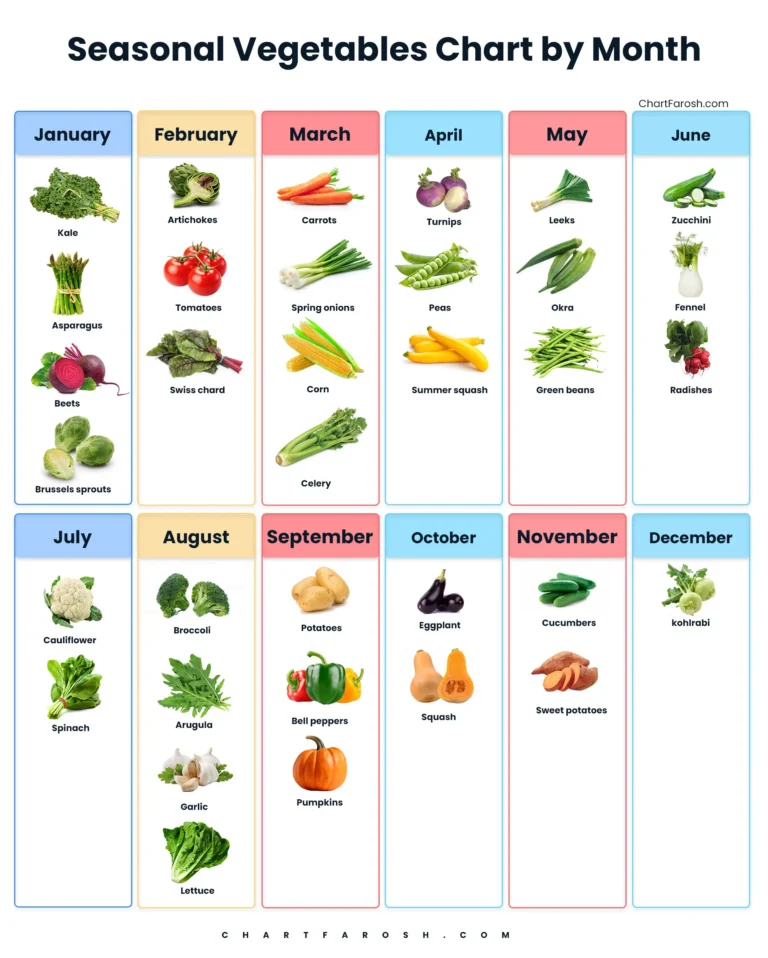
Including a mix of familiar and new foods is essential for a balanced diet. Rotate different types of fruits, vegetables, proteins, grains, and dairy throughout the week.
This variety ensures a range of nutrients and helps gradually expand your child’s palate. Introduce new foods alongside favorites to make them more appealing.
For adults incorporating variety will make sure they get balanced nutrition crucial for staying healthy.
Components of a Picky Eater Food Chart
A comprehensive food chart should include all major food groups, including fruits, vegetables, meat, grains, and dairy.
These charts allow you to incorporate your favorite and less favorite foods in a meal for a healthy and balanced diet.
There are tons of healthy food ideas that you can use to serve up something delicious using the healthy ingredients mentioned below.
Have a look at the choices below and be creative with new healthy recipes for you or your children every day.
- Fruits: Fresh, dried, or canned fruits.
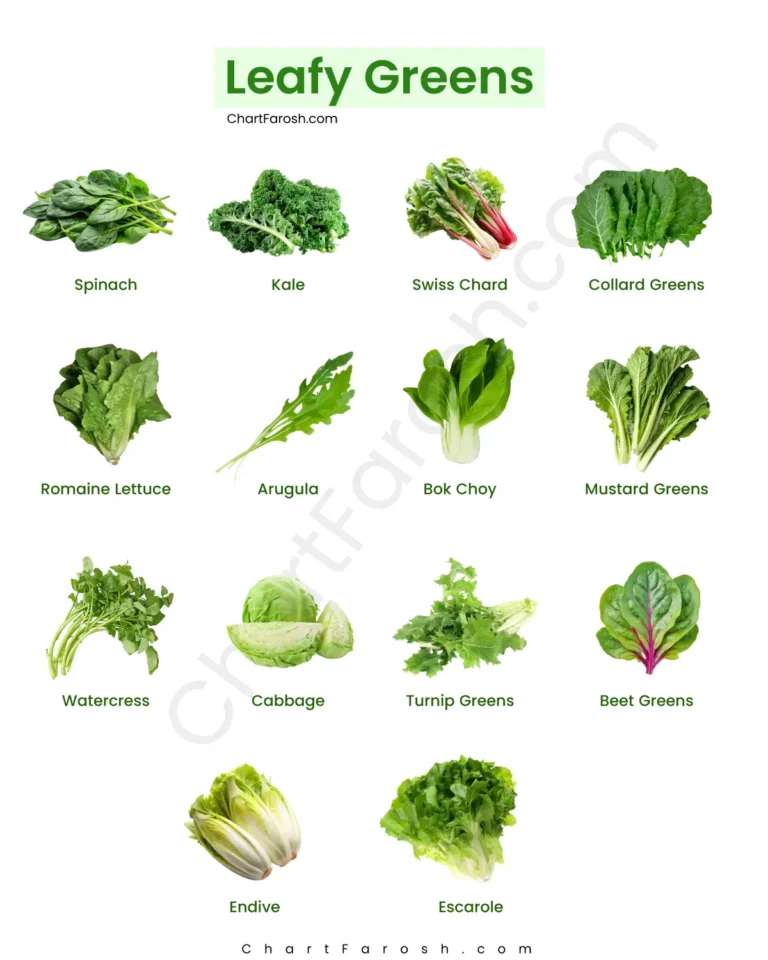
- Vegetables: A variety of colorful vegetables.
- Proteins: Lean meats, poultry, fish, beans, and nuts.
- Grains: Whole grains like brown rice, oats, and whole wheat bread.
- Dairy: Milk, cheese, yogurt, or alternatives.
Conclusion
We all want to be mentally and physically strong but that’s only possible if we and our children resort to healthy eating.
Using a picky eater food chart can be a game-changer for parents struggling with mealtime challenges.
By providing structure and routine, you can create a predictable and less stressful environment for your child.
Customizing the chart to meet individual preferences you can try out new healthy recipes according to your health and resort to healthy eating.
Ensuring a balanced diet through various food groups and setting realistic goals helps cover all nutritional needs of a growing child.
With these strategies, you can transform mealtimes into a more enjoyable and nutritious experience.