High-Fiber Foods for Constipation
Constipation is one of those things people don’t love talking about, but almost everyone deals with at some point.
For me, it started during a stretch of long workdays, skipped meals, and too much coffee. I brushed it off at first, thinking it would resolve on its own.
It didn’t. Days passed, discomfort set in, and I realized something was clearly off.
Instead of reaching straight for quick fixes, I started paying attention to what I was eating, or more accurately, what I wasn’t.
Fiber kept coming up in conversations, articles, and doctor recommendations. Once I understood how different fiber-rich foods actually work in the body, things finally started moving again (literally).
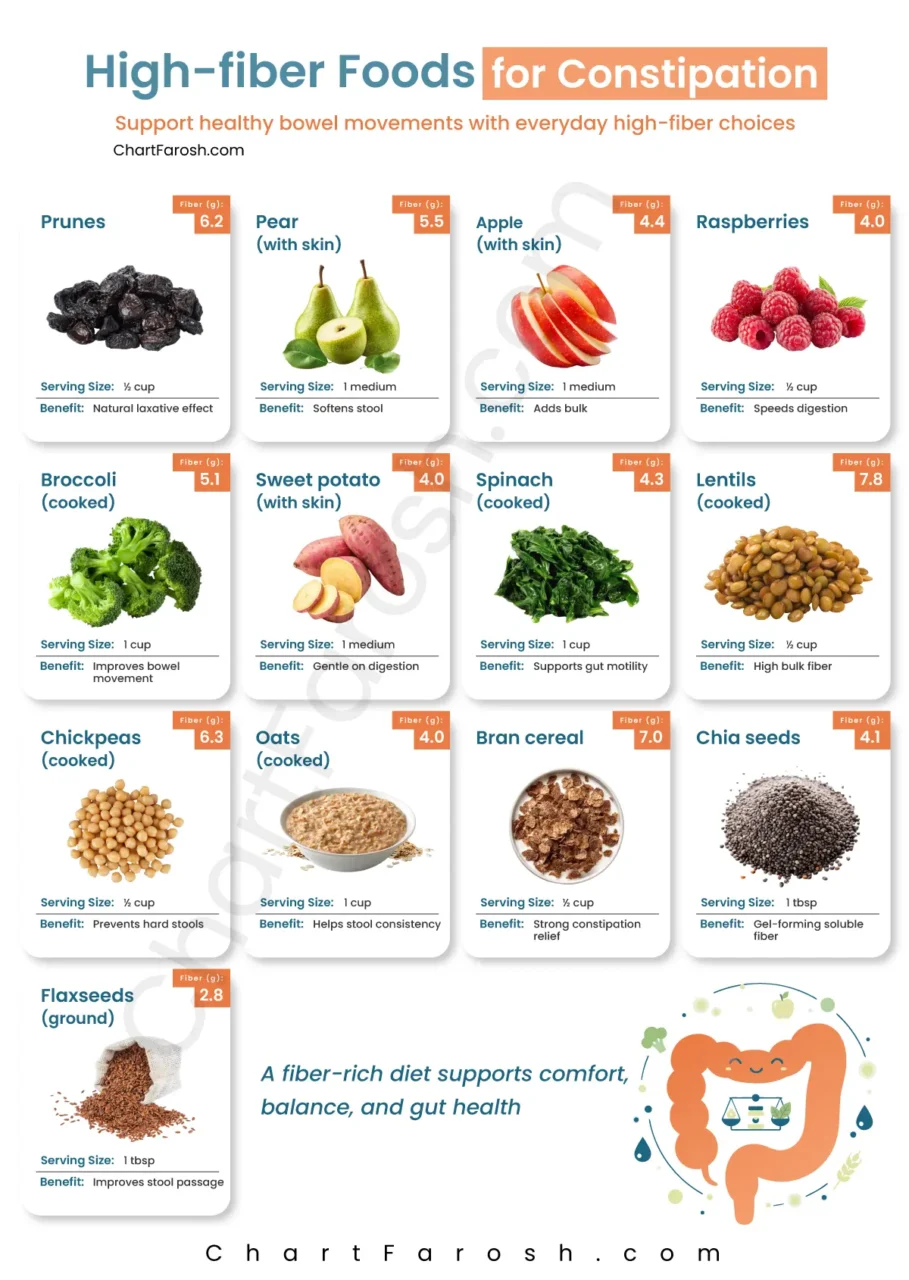
Table of Contents
High-Fiber Foods Chart for Constipation
A High-Fiber Foods Chart for Constipation helps you quickly identify foods that support regular bowel movements.
Fiber adds bulk, softens stool, and helps waste move through the digestive tract more efficiently.
Not all fiber works the same way, and not all high-fiber foods are gentle for everyone.
Having a visual chart makes it easier to balance your intake and avoid sudden digestive discomfort.
| Food Category | Food Item | Serving Size | Fiber (g) | Constipation Benefit |
| Fruits | Prunes | ½ cup | 6.2 | Natural laxative effect |
| Fruits | Pear (with skin) | 1 medium | 5.5 | Softens stool |
| Fruits | Apple (with skin) | 1 medium | 4.4 | Adds bulk |
| Fruits | Raspberries | ½ cup | 4.0 | Speeds digestion |
| Vegetables | Broccoli (cooked) | 1 cup | 5.1 | Improves bowel movement |
| Vegetables | Sweet potato (with skin) | 1 medium | 4.0 | Gentle on digestion |
| Vegetables | Spinach (cooked) | 1 cup | 4.3 | Supports gut motility |
| Legumes | Lentils (cooked) | ½ cup | 7.8 | High bulk fiber |
| Legumes | Chickpeas (cooked) | ½ cup | 6.3 | Prevents hard stools |
| Whole Grains | Oats (cooked) | 1 cup | 4.0 | Helps stool consistency |
| Whole Grains | Bran cereal | ½ cup | 7.0 | Strong constipation relief |
| Nuts & Seeds | Chia seeds | 1 tbsp | 4.1 | Gel-forming soluble fiber |
| Nuts & Seeds | Flaxseeds (ground) | 1 tbsp | 2.8 | Improves stool passage |
How Fiber Relieves Constipation
Fiber plays a direct role in digestive health by supporting stool formation and movement. When you eat fiber-rich foods, they either absorb water or add bulk, both of which help stools pass more easily.
Low fiber intake often leads to hard, dry stools that are difficult to move through the colon. Fiber helps counteract this by improving stool consistency and encouraging regular bowel movements.
Fiber also feeds beneficial gut bacteria, which supports overall digestive function. When your gut microbiome is balanced, digestion tends to be smoother and more predictable.
Soluble vs Insoluble Fiber Explained
Understanding the difference between soluble and insoluble fiber makes it easier to choose the right foods when constipation is the issue. Both types are important, but they work in different ways.
Soluble fiber dissolves in water and forms a gel-like substance that helps soften stool. Insoluble fiber doesn’t dissolve, it adds bulk and helps move waste through the intestines.
| Fiber Type | Food Example | Fiber per Serving | How It Helps | Best For |
| Soluble | Oats | 4 g per cup | Softens stool | Hard stools |
| Soluble | Apples | 4 g per medium | Feeds gut bacteria | Gentle relief |
| Insoluble | Whole wheat bread | 2 g per slice | Adds bulk | Slow digestion |
| Insoluble | Brown rice | 3.5 g per cup | Speeds movement | Irregularity |
| Both | Beans | 6–8 g per ½ cup | Balanced support | Ongoing constipation |
| Both | Chia seeds | 10 g per 2 tbsp | Stool formation | Chronic issues |
Best Fruits for Constipation Relief
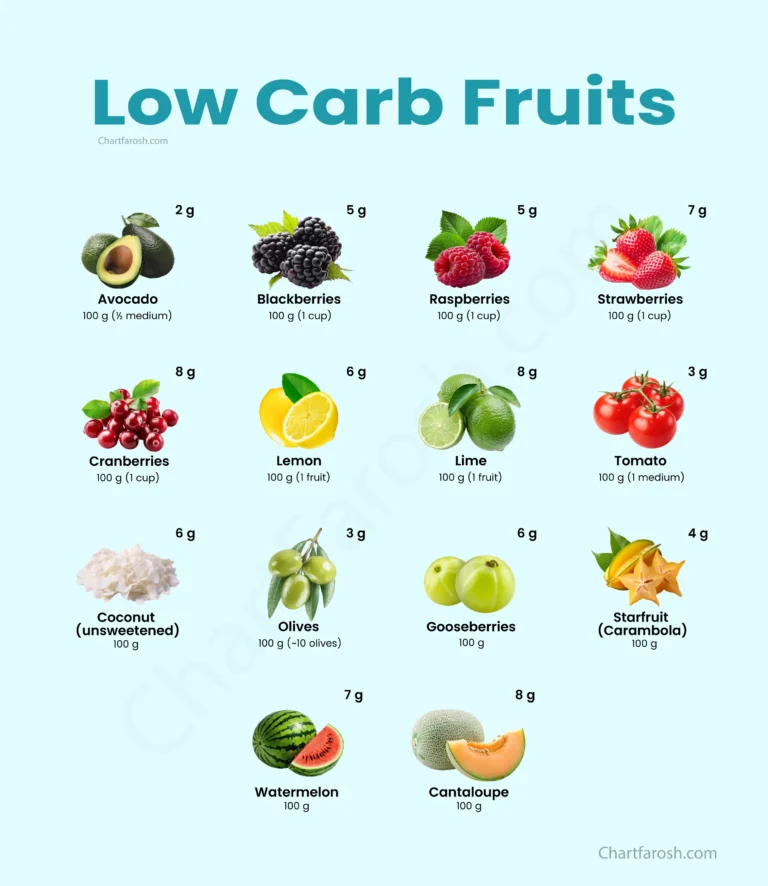
Fruits are one of the easiest ways to increase fiber intake without drastically changing your diet. Many fruits also contain water and natural sugars that help stimulate digestion.
Some fruits are especially effective because they contain both fiber and sorbitol, a natural compound that draws water into the intestines.
| Fruit | Fiber per Serving | Serving Size | Additional Benefit | Notes |
| Apples (with skin) | 4 g | 1 medium | Pectin content | Eat raw |
| Pears | 5.5 g | 1 medium | High water | Very effective |
| Prunes | 6 g | 5 prunes | Sorbitol | Classic remedy |
| Raspberries | 8 g | 1 cup | Very high fiber | Gentle |
| Kiwi | 2 g | 1 medium | Enzymes | Improves motility |
| Figs | 7 g | ½ cup dried | Natural laxative | Use in moderation |
Best Vegetables for Digestive Health
Vegetables provide insoluble fiber, water, and nutrients that support healthy digestion. They help bulk up stool and keep the digestive tract moving regularly.
Cooking vegetables lightly can make them easier to digest if raw vegetables cause bloating.
| Vegetable | Fiber per Serving | Serving Size | Type of Fiber | Notes |
| Broccoli | 5 g | 1 cup | Insoluble | Steam lightly |
| Carrots | 3.5 g | 1 cup | Insoluble | Raw or cooked |
| Spinach | 4 g | 1 cup cooked | Both | Easy to digest |
| Brussels sprouts | 4 g | ½ cup | Insoluble | Roast or steam |
| Sweet potatoes | 4 g | 1 medium | Soluble | Keep skin |
| Artichokes | 7 g | 1 medium | Both | Very high fiber |
High-Fiber Grains and Legumes
Grains and legumes are some of the most fiber-dense foods available. They support regular digestion and help prevent constipation when eaten consistently.
| Food | Fiber per Serving | Serving Size | Type | Notes |
| Oats | 4 g | 1 cup cooked | Soluble | Gentle |
| Lentils | 8 g | ½ cup cooked | Both | Very filling |
| Chickpeas | 6 g | ½ cup cooked | Both | Easy to add |
| Quinoa | 5 g | 1 cup cooked | Insoluble | Gluten-free |
| Black beans | 7.5 g | ½ cup cooked | Both | Slow digestion |
| Barley | 6 g | 1 cup cooked | Soluble | Excellent for gut |
How Much Fiber Do You Need Daily?
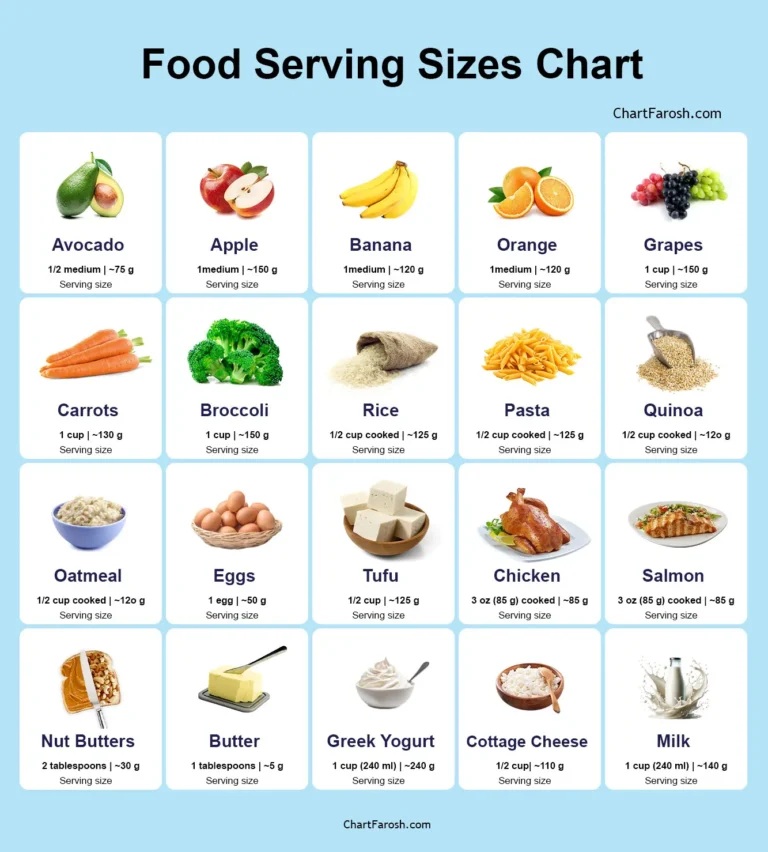
Daily fiber needs vary based on age, sex, and overall health, but general guidelines offer a helpful baseline. Most adults need between 25–38 grams of fiber per day, yet many fall short.
A sudden jump in fiber intake can cause gas or cramping, so it’s best to increase intake slowly over several days while drinking enough water.
Meeting fiber needs through food is more effective and gentler than relying on supplements alone.
Fiber Intake Tips for Constipation
Start your day with fiber instead of trying to add it all at dinner. A fiber-rich breakfast sets digestion in motion early.
Drink water consistently throughout the day. Fiber needs water to work properly – without it, constipation can actually worsen.
Mix fiber sources. Relying on only one type of food can lead to digestive discomfort. Variety improves tolerance and results.
Pay attention to your body. If a certain food causes bloating, reduce the portion and try another fiber source instead.
Foods to Avoid When Constipated
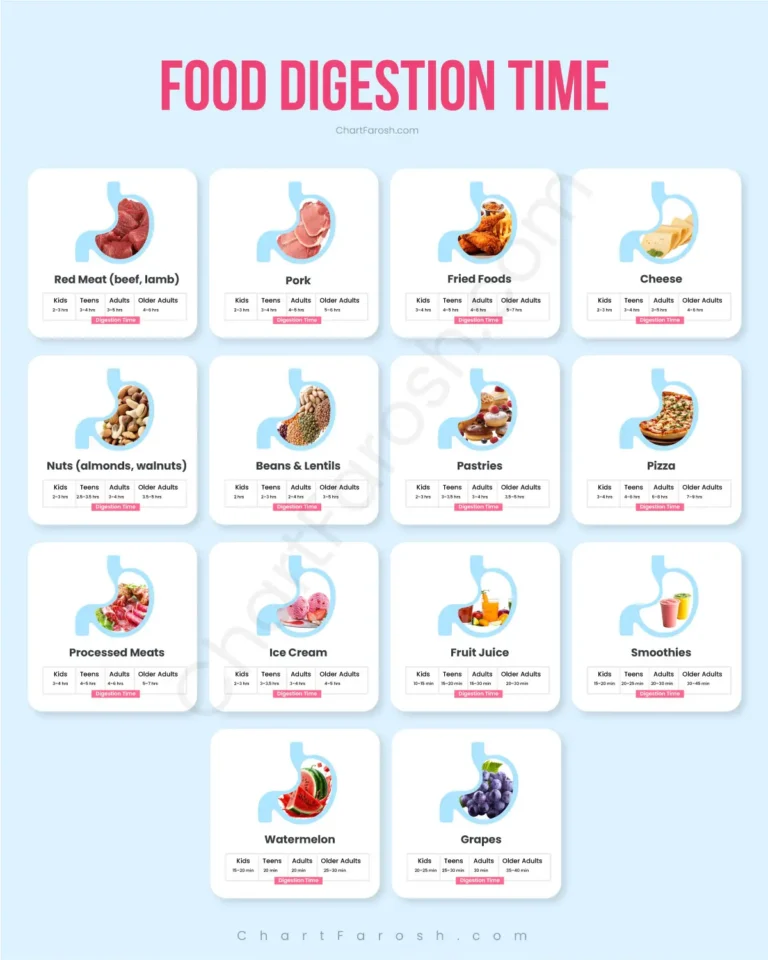
Some foods slow digestion or lack fiber altogether, making constipation worse. Limiting these during constipation flare-ups can help restore regularity faster.
Highly processed foods tend to be the biggest culprits.
| Food | Fiber Content | Why It’s a Problem | Better Alternative |
| White bread | <1 g | Refined grains | Whole wheat bread |
| Cheese | 0 g | Slows digestion | Yogurt with fiber |
| Fast food | Low | High fat | Home-cooked meals |
| Fried foods | Low | Delays digestion | Baked options |
| Red meat | 0 g | No fiber | Plant proteins |
| Sugary snacks | Low | Disrupts gut | Fruit or nuts |
Constipation Relief Quick Summary
Constipation often comes down to diet, hydration, and routine. Fiber-rich foods support healthy digestion by softening stool and improving movement through the digestive tract.
A High-Fiber Foods Chart for Constipation makes it easier to build balanced meals that promote regularity without overdoing any one food.
| Category | Best Choices | Limit These | Key Tip |
| Fruits | Pears, prunes | Juice | Eat whole |
| Vegetables | Broccoli, spinach | Fried veg | Light cooking |
| Grains | Oats, barley | White bread | Choose whole |
| Legumes | Lentils, beans | Processed | Small portions |
| Hydration | Water | Sugary drinks | Stay consistent |
FAQs
How fast does fiber work for constipation?
Fiber usually helps within 24–72 hours, depending on hydration, activity level, and how low your intake was before increasing it.
Can too much fiber make constipation worse?
Yes. Increasing fiber too quickly or without enough water can lead to bloating and harder stools.
Is soluble or insoluble fiber better for constipation?
Both help. Soluble fiber softens stool, while insoluble fiber adds bulk and improves movement.
Should I use fiber supplements instead of food?
Whole foods are usually better because they provide water, nutrients, and multiple fiber types.
What should I eat first thing in the morning for constipation?
A fiber-rich breakfast with oats, fruit, and water helps activate digestion early in the day.