Japanese Cat Breeds: All About Breeds
I didn’t grow up around purebred cats, so for the longest time, I thought a cat was just a cat, personality depended on luck more than lineage.
That changed when I met a Japanese Bobtail for the first time. She wasn’t loud or demanding, but she had this quiet attentiveness, like she was always tuned into what was happening around her.
She followed routines, noticed changes, and somehow always seemed present without being clingy.
That experience pushed me to look deeper into Japanese cat breeds.
I wanted to understand where that calm intelligence came from and whether other cats from Japan shared similar traits. As it turns out, they do, and in ways that really suit modern homes.
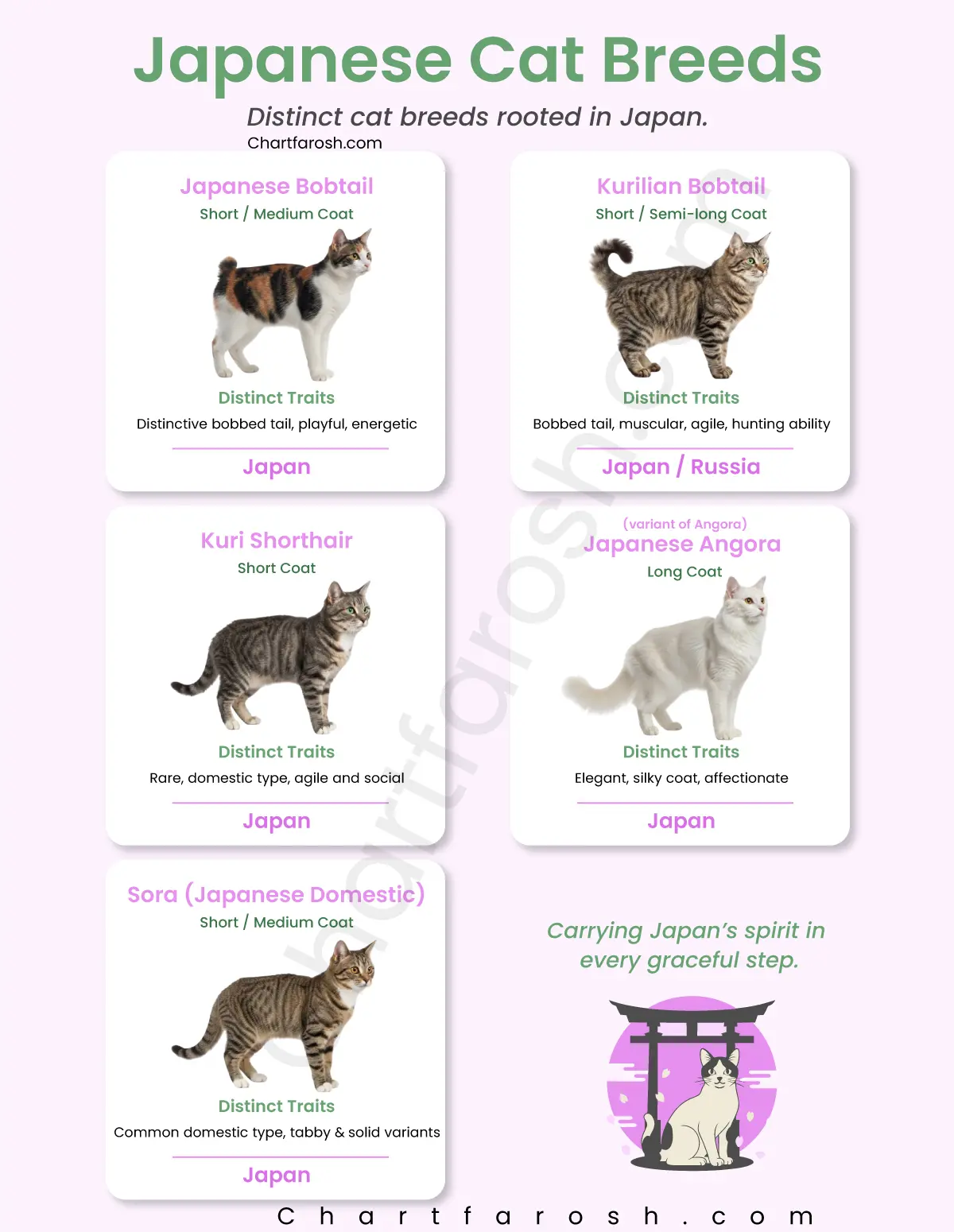
Table of Contents
Japanese Cat Breeds
Japanese cat breeds are shaped by centuries of coexistence with humans. Unlike breeds developed mainly for appearance, many Japanese cats evolved naturally, influenced by environment, culture, and purpose.
They’re often balanced in temperament , playful but not chaotic, affectionate without being overwhelming.
When people search for japanese cat breeds names, they’re usually looking for more than labels.
They want to understand which breeds are actually recognized, which ones are rare, and which are best suited for family life or quiet homes.
| Breed Name | Origin | Coat Type | Distinct Traits |
| Japanese Bobtail | Japan | Short / Medium | Distinctive bobbed tail, playful, energetic |
| Kurilian Bobtail | Japan / Russia | Short / Semi-long | Bobbed tail, muscular, agile, hunting ability |
| Kuri Shorthair | Japan | Short | Rare, domestic type, agile and social |
| Japanese Angora (variant of Angora) | Japan | Long | Elegant, silky coat, affectionate |
| Sora (Japanese Domestic) | Japan | Short / Medium | Common domestic type, tabby and solid variants |
Japanese Cat Breeds with Big Eyes
Large, expressive eyes are one of the most noticeable features in many Japanese cats.
These eyes aren’t just about looks – they’re often paired with high awareness and sensitivity to their surroundings.
| Breed | Eye Shape | Eye Color | Face Type | Personality |
| Japanese Bobtail | Large, oval | Blue, gold, odd | Triangular | Social |
| Khao Manee (Japan-kept lines) | Wide-set | Blue or gold | Rounded | Alert |
| Scottish Fold (Japan-bred lines) | Round | Copper | Round | Gentle |
| Munchkin (Japan-popular) | Large | Various | Rounded | Curious |
| Oriental-type mixes | Almond-large | Green | Angular | Vocal |
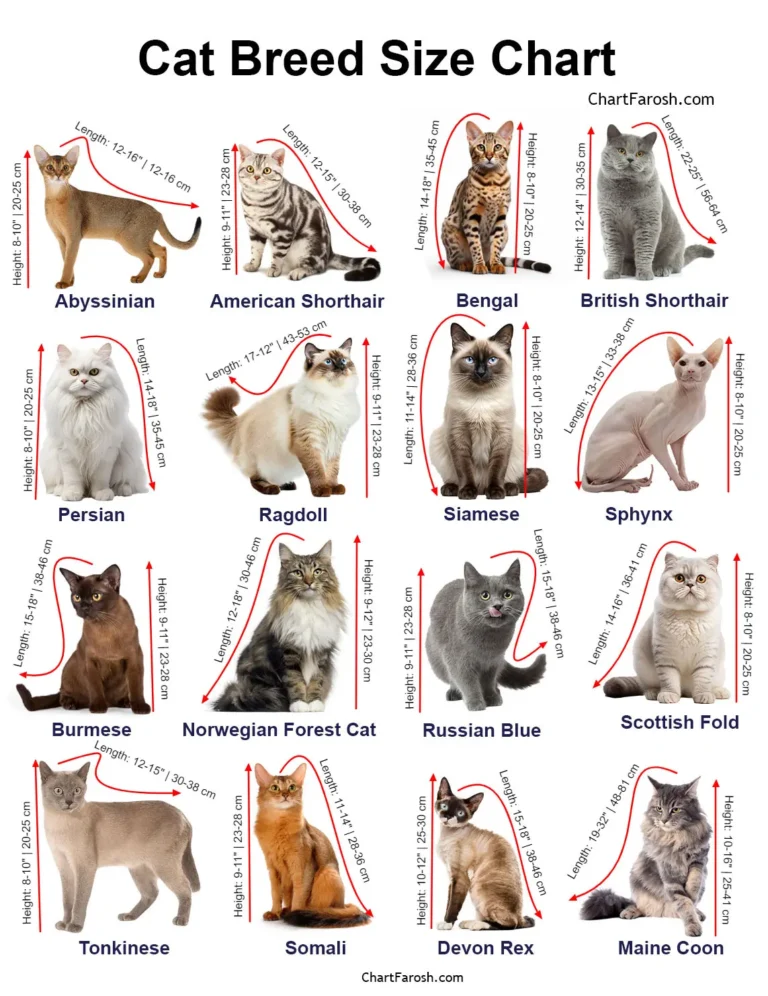
Japanese Cat Breeds Small
Smaller cat breeds are especially popular in Japan due to compact living spaces. These cats tend to be agile, light, and well-suited for apartment life.
| Breed | Average Weight | Body Type | Energy Level | Ideal Home |
| Japanese Bobtail | 6–9 lbs | Lean | Medium | Apartments |
| Singapura (Japan-kept) | 4–6 lbs | Petite | Medium | Quiet homes |
| Korat (Japan lines) | 6–10 lbs | Compact | Medium | Calm spaces |
| Asian Shorthair | 7–10 lbs | Slim | Medium | Indoor homes |
| Domestic Japanese cats | 6–9 lbs | Balanced | Low–Medium | Any |
Japanese Cat Breeds Short Legs
Short-legged cats aren’t native to Japan, but Japan has played a major role in popularizing and refining these breeds through careful breeding and cultural acceptance.
| Breed | Leg Length | Mobility | Coat Type | Personality |
| Munchkin | Short | Good | Short/Long | Playful |
| Munchkin Bobtail mixes | Short | Good | Short | Curious |
| Napoleon (Minuet) | Short | Moderate | Long | Calm |
| Scottish Fold Munchkin | Short | Moderate | Short | Gentle |
| Domestic short-leg cats | Short | Good | Various | Adaptable |
Japanese Cat Breeds Black
Black cats hold positive symbolism in Japanese culture and are often associated with good luck and protection. Black-coated Japanese cats are admired rather than avoided.
| Breed | Coat Color | Fur Type | Cultural Meaning | Temperament |
| Japanese Bobtail | Solid black | Short | Good fortune | Social |
| Domestic Japanese black cats | Black | Short | Protection | Calm |
| Bombay (Japan lines) | Jet black | Short | Elegance | Affectionate |
| Asian Shorthair | Black | Short | Balance | Curious |
| Mixed native cats | Black | Varies | Luck | Independent |
Japanese Cat Breeds Fluffy
While many Japanese cats are short-haired, there are fluffy varieties that require more grooming but offer a softer, fuller look.
| Breed | Coat Length | Shedding | Grooming | Personality |
| Japanese Bobtail (longhair) | Long | Moderate | Medium | Playful |
| Domestic longhair (Japan) | Long | High | High | Calm |
| Minuet | Long | High | High | Gentle |
| Persian (Japan-kept) | Long | High | High | Relaxed |
| Angora-type mixes | Long | Moderate | Medium | Affectionate |
Japanese Cat Breed Personality Traits
Personality is where Japanese cats really stand out. Many owners describe them as observant, emotionally aware, and quietly affectionate.
| Trait | Description | Seen In |
| Loyal | Bonds deeply | Bobtail |
| Calm | Low anxiety | Domestic lines |
| Curious | Observes first | Most breeds |
| Playful | Gentle play | Small breeds |
| Intelligent | Learns routines | All |
Japanese Cat Breeds and Cultural Significance
Japanese cat breeds, like the Japanese Bobtail, are more than pets, they’re part of Japan’s culture.
The Bobtail is a symbol of good luck and is often featured in the famous Maneki-neko figurines.
These cats are intelligent, calm, and observant, reflecting traditional Japanese values.
| Symbol | Meaning | Breed Association | Cultural Role |
| Maneki-neko | Good luck | Bobtail | Fortune |
| Temple cats | Protection | Native cats | Spiritual |
| Black cats | Safety | Domestic | Prosperity |
| Bobtail tail | Uniqueness | Bobtail | Identity |
| Calm demeanor | Balance | All | Harmony |
Grooming and Care Needs of Japanese Cats
Most Japanese cats are easy to care for. Short-haired breeds, like the Japanese Bobtail, need minimal brushing, while long-haired types benefit from weekly grooming.
They enjoy play and mental stimulation, so toys and climbing spaces are a must. A balanced diet and regular vet check-ups keep them healthy, making them low-maintenance but affectionate companions.
Most Japanese cats are practical when it comes to grooming. Their coats evolved for function, not excess.
| Coat Type | Brushing | Bathing | Maintenance |
| Short | Weekly | Rare | Low |
| Medium | 2x/week | Occasional | Medium |
| Long | Daily | Monthly | High |
| Silky | Weekly | Rare | Low |
| Dense | 2x/week | Occasional | Medium |
Are Japanese Cat Breeds Good for Families?
These cats generally do well in stable households and are known for patience and adaptability.
| Household Type | Compatibility | Reason |
| Families | High | Gentle nature |
| Singles | High | Loyal bonding |
| Seniors | High | Calm energy |
| Multi-pet homes | Moderate | Needs slow intro |
| Busy owners | Moderate | Likes routine |
How to Choose From a Japanese Cat Breeds List
If you’re going through a japanese cat breeds list, focus less on looks and more on temperament and lifestyle fit. Many people fixate on rarity, but everyday compatibility matters far more.
Understanding common japanese cat breeds names helps narrow options, but personality should guide the final choice. A well-matched cat is easier to care for and happier long-term.
Later, when comparing another japanese cat breeds list, you’ll notice that many traits overlap, calm behavior, intelligence, and adaptability are common themes.
FAQs
Are Japanese cats very vocal?
Most are quieter than Siamese-type breeds.
Do they get along with children?
Yes, especially when introduced properly.
Are Japanese cats rare?
Some breeds are, but domestic types are common.
Do they require special care?
No, their care needs are usually straightforward.
Are they good indoor cats?
Yes, most thrive indoors with enrichment.