Low Sodium Foods : A Practical Guide
I still remember the first time my doctor recommended a low sodium diet. I walked down the grocery store aisles feeling overwhelmed by labels and nutrition facts, unsure which foods would actually help me reduce sodium without sacrificing taste.
Over time, I learned that it’s not about restricting all flavor, it’s about making smart choices and building a low sodium food list that works for your lifestyle.
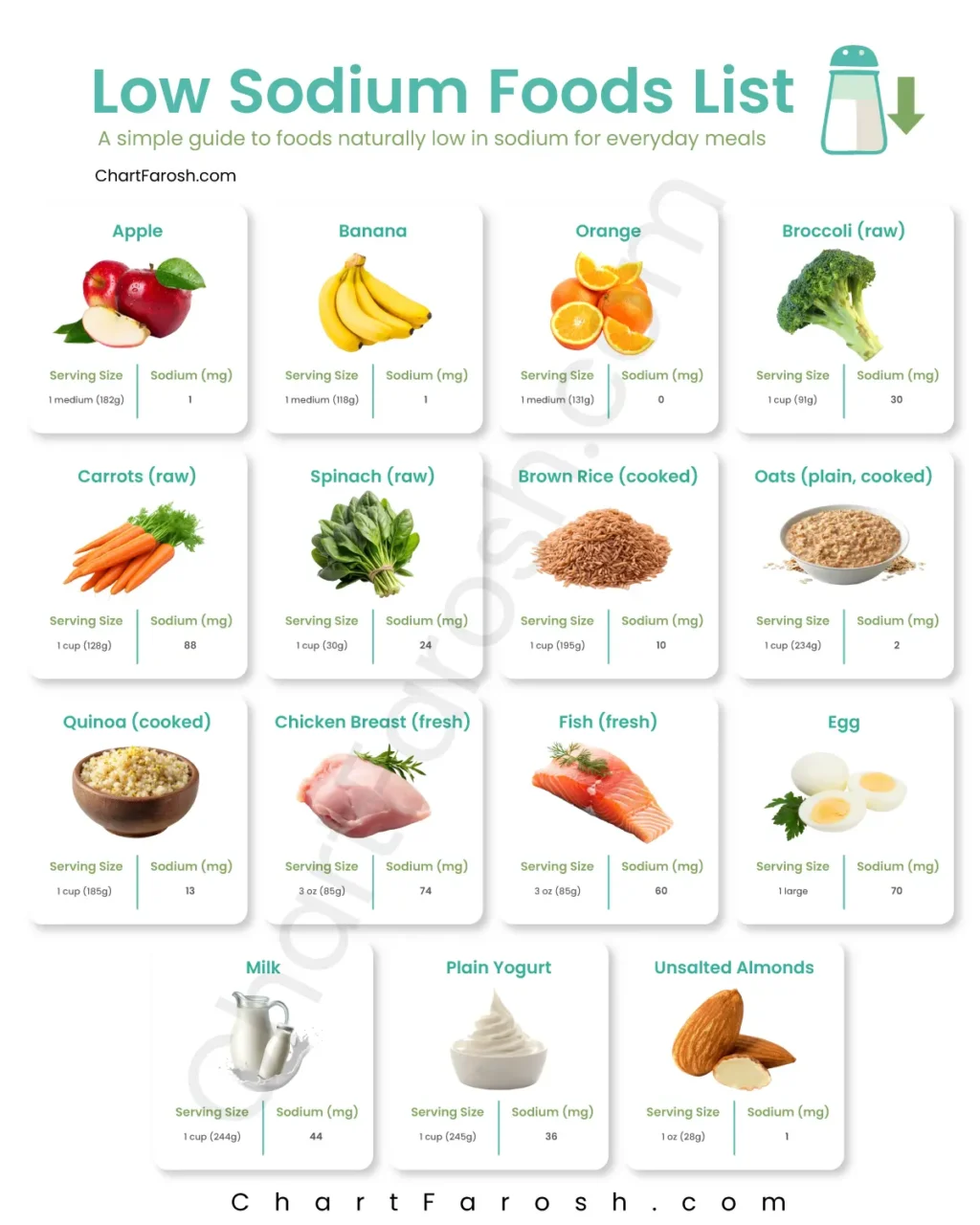
Table of Contents
Low Sodium Food Chart
Reducing sodium intake begins with knowing which foods naturally contain minimal salt.
The following Low Sodium Food Chart highlights common grocery items that help you maintain heart health and reduce water retention while still providing essential nutrients
| Food Item | Serving Size | Sodium (mg) |
| Apple | 1 medium (182g) | 1 |
| Banana | 1 medium (118g) | 1 |
| Orange | 1 medium (131g) | 0 |
| Broccoli (raw) | 1 cup (91g) | 30 |
| Carrots (raw) | 1 cup (128g) | 88 |
| Spinach (raw) | 1 cup (30g) | 24 |
| Brown Rice (cooked) | 1 cup (195g) | 10 |
| Oats (plain, cooked) | 1 cup (234g) | 2 |
| Quinoa (cooked) | 1 cup (185g) | 13 |
| Chicken Breast (fresh) | 3 oz (85g) | 74 |
| Fish (fresh) | 3 oz (85g) | 60 |
| Egg | 1 large | 70 |
| Milk | 1 cup (244g) | 44 |
| Plain Yogurt | 1 cup (245g) | 36 |
| Unsalted Almonds | 1 oz (28g) | 1 |
What Is a Low Sodium Diet?
A low sodium diet is designed to reduce the intake of sodium, a mineral commonly found in salt, to improve heart and kidney health.
Many processed and packaged foods contain hidden sodium, making it easy to exceed daily recommendations without realizing it.
Following a low sodium diet isn’t about removing all salt, it’s about focusing on low sodium foods in grocery stores and preparing meals with minimal added salt.
Gradually adjusting your diet can make the transition easier and more sustainable.
Why Reducing Sodium Matters
High sodium intake is strongly linked to high blood pressure, heart disease, and fluid retention.
When sodium levels are excessive, the body holds onto extra water, increasing blood volume and forcing the heart to work harder.
Reducing sodium not only lowers blood pressure but also helps prevent stroke, kidney disease, and other cardiovascular complications.
Choosing foods from a low sodium food list can make a noticeable difference in energy levels and overall wellness, without compromising taste.
Best Low Sodium Foods by Category
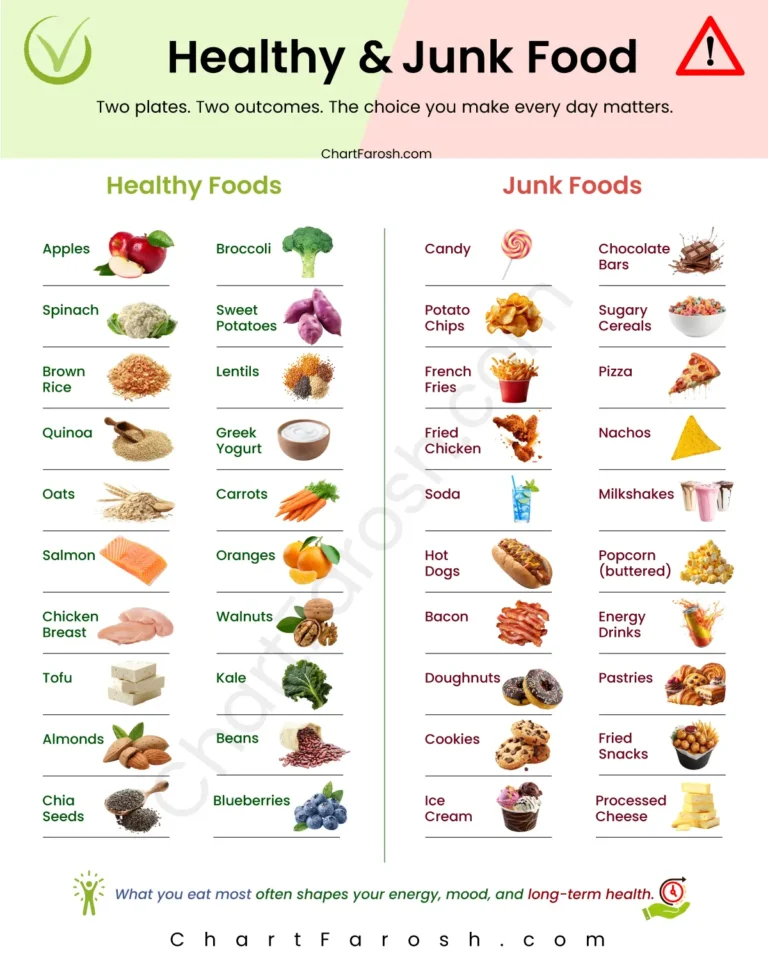
When building a diet to reduce sodium intake, it’s helpful to break down foods into categories: fruits, vegetables, proteins, grains, and dairy.
Fresh, whole foods are naturally low in sodium, while processed foods are often packed with hidden salt.
| Category | Examples | Serving Size | Sodium Content | Notes |
| Fruits | Apples, Berries, Oranges | 1 cup | 0-5 mg | Fresh is best |
| Vegetables | Spinach, Zucchini, Broccoli | 1 cup | 10-50 mg | Steamed or raw |
| Proteins | Chicken breast, Tofu, Salmon | 3 oz | 30-60 mg | Avoid processed meats |
| Grains | Brown rice, Quinoa, Oats | 1 cup cooked | 0-5 mg | No added salt |
| Dairy | Unsweetened yogurt, Low sodium cheese | 1 cup | 50-140 mg | Check labels |
Low Sodium Fruits and Vegetables
Fruits and vegetables naturally contain very little sodium, making them ideal for a heart-healthy diet.
Leafy greens, bell peppers, cucumbers, and berries provide essential vitamins, minerals, and antioxidants without contributing to your sodium intake.
Preparing them fresh or lightly steamed maximizes nutrients while keeping sodium low.
| Fruit/Vegetable | Serving Size | Sodium Content | Notes |
| Apples | 1 medium | 0 mg | Rich in fiber, keeps you full |
| Strawberries | 1 cup | 1 mg | Packed with vitamin C |
| Oranges | 1 medium | 0 mg | Supports immune system |
| Carrots | 1 cup | 50 mg | High in beta-carotene |
| Spinach | 1 cup | 24 mg | Excellent source of iron |
| Broccoli | 1 cup | 30 mg | Contains calcium & fiber |
Low Sodium Protein Sources
Protein is essential for muscle maintenance and overall health, but many protein sources are high in sodium due to processing.
Opt for fresh, unprocessed options such as skinless chicken, turkey, fish, tofu, eggs, and beans.
Canned proteins like beans or fish can be rinsed to reduce sodium content. Incorporating these foods regularly can help meet protein needs while staying within daily sodium limits.
| Protein | Sodium per Serving | Notes |
| Skinless Chicken | 60 mg | Fresh, unseasoned |
| Salmon | 50 mg | Fresh, not smoked |
| Eggs | 70 mg | Boiled or poached |
| Tofu | 10 mg | Low sodium variety |
| Beans | 5-10 mg | Rinse canned beans |
Low Sodium Grains and Dairy
Whole grains like brown rice, quinoa, barley, and oats are naturally low in sodium and provide fiber and energy.
Dairy choices such as unsweetened yogurt, milk, and low sodium cheeses can provide calcium and protein without contributing excess sodium.
Reading nutrition labels carefully is essential because some flavored or processed dairy products can contain added salt.
| Food | Sodium per Serving | Notes |
| Brown Rice | 5 mg | Cooked without salt |
| Quinoa | 5 mg | Rinse before cooking |
| Oats | 0-2 mg | Choose plain varieties |
| Low Sodium Cheese | 140 mg | Check product labels |
| Yogurt | 50 mg | Unsweetened plain |
Foods to Avoid on a Low Sodium Diet
Certain foods are surprisingly high in sodium, even if they don’t taste particularly salty.
These include processed meats, sauces, frozen meals, canned soups, and snack foods.
Being aware of these common sodium traps can help you maintain a healthy diet.
| Food Item | Common Sodium Content | Reason to Avoid | Alternative |
| Deli Meats | 600-1200 mg per 3 oz | Processed, high sodium | Fresh grilled chicken |
| Canned Soups | 700-1000 mg per cup | Preservatives & salt | Homemade soup |
| Frozen Meals | 600-1500 mg per meal | High in sodium & additives | Steamed frozen veggies + grains |
| Soy Sauce | 900 mg per tbsp | Extremely concentrated salt | Low-sodium soy sauce or coconut aminos |
| Chips & Snacks | 150-300 mg per oz | Salted & fried | Unsalted nuts or air-popped popcorn |
Daily Sodium Intake Recommendations
Managing sodium isn’t only about choosing low sodium foods, it’s also about staying within daily limits.
For most adults, the recommended limit is 2,300 mg per day, and an ideal target for heart health is around 1,500 mg per day.
Those with high blood pressure, kidney issues, or heart disease should aim for the lower end.
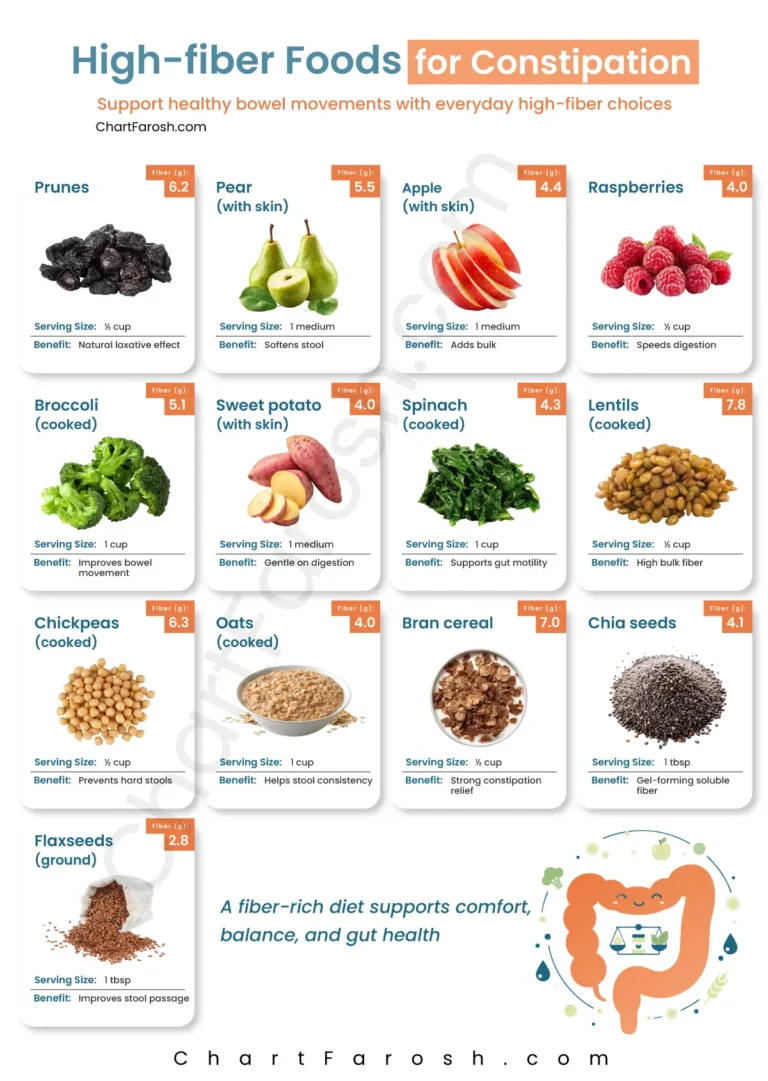
Tracking your sodium intake can be easier with a low sodium food list with high fiber foods and by preparing meals at home using fresh ingredients.
Combining fruits, vegetables, lean proteins, and whole grains allows you to meet nutritional needs while minimizing sodium intake.
FAQs
Can I season my food on a low sodium diet?
Yes, you can use herbs, spices, citrus juices, and vinegar to enhance flavor without adding sodium.
Are all canned vegetables high in sodium?
Not all, but many canned vegetables contain added salt. Look for “no salt added” or rinse vegetables before use.
How can I reduce sodium when eating out?
Request dishes with no added salt, ask for sauces on the side, and avoid processed or fried foods.
Is a low sodium diet suitable for everyone?
Most adults benefit, especially those with high blood pressure, heart disease, or kidney concerns.
How do I make a grocery list for a low sodium diet?
Focus on fresh fruits, vegetables, whole grains, unprocessed proteins, and low sodium dairy. Use a low sodium food list to guide your purchases.