
Beneficial Insects Chart
Are you struggling to keep pests under control in your garden or farm? It can be challenging to find effective and natural ways to manage these unwanted guests. The good news is that there are a variety of beneficial insects that can help with this problem.
These insects not only tackle pests but also support healthy plant growth and boost your garden or farm’s overall productivity.
In the following sections, we’ll explore a variety of beneficial insects, highlighting their appearances, habitats, and the important roles they play in supporting our ecosystems.

Table of Contents
Beneficial Insects Chart
Beneficial insects often go unnoticed, yet they play a crucial role in maintaining the balance of our ecosystems. These tiny helpers work tirelessly behind the scenes, protecting plants by controlling pest populations naturally.
While most people recognize ladybugs and praying mantises, there are many other beneficial insects whose contributions might surprise you. From tiny parasitic wasps to speedy ground beetles, each has a unique way of keeping gardens healthy and thriving.
The table below highlights some of these essential insects and their beneficial roles in various habitats.
| Insect | Appearance | Beneficial Role | Common Habitat |
| Ladybug (Ladybird Beetle) | Small, round, red or orange with black spots | Feeds on aphids, mites, and other soft-bodied pests | Gardens, fields, orchards |
| Lacewing | Delicate, green or brown with large, veined wings | Larvae feed on aphids, mealybugs, and other pests | Gardens, greenhouses, crops |
| Hoverfly | Has a striking appearance similar to a small bee or wasp, featuring black and yellow stripes | Larvae feed on aphids, pollinates flowers | Gardens, fields, near flowers |
| Praying Mantis | Typically large, colored green or brown, with long front legs that fold inwards | Predatory, feeds on various insects, including pests | Gardens, fields, shrubs |
| Ground Beetle | Medium to large, usually dark-colored with long legs | Feeds primarily on slugs, caterpillars, and various other pests found at ground level | Under rocks, in soil, gardens |
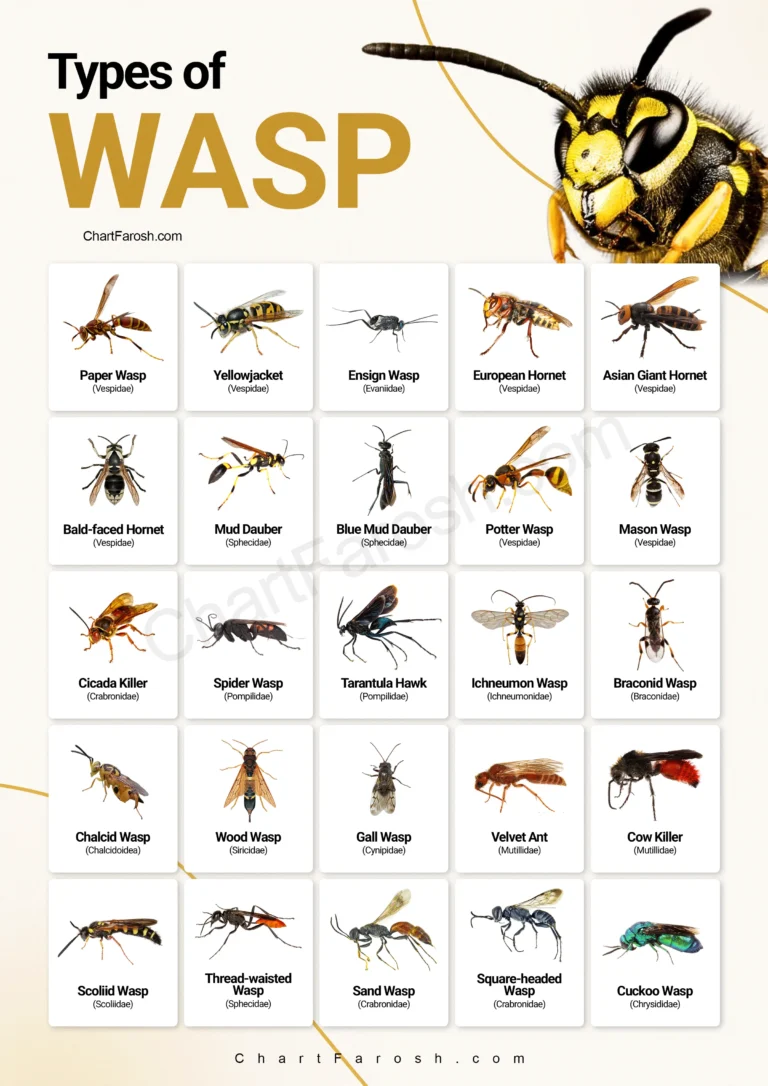
| Parasitic Wasp | Tiny, usually black or brown, with narrow waist | Lays eggs in or on pest insects, larvae consume host | Gardens, fields, near host insects |
| Tachinid Fly | Resembles a housefly but often larger with bristles | Larvae are internal parasites of caterpillars and beetles | Gardens, fields, near host insects |
| Soldier Beetle | Slender, often yellow or orange with black markings | Feeds on aphids, caterpillars, and other pests | Gardens, fields, near flowers |
| Dragonfly | Long, slender body with two pairs of large wings | Relies on mosquitoes, flies, and various other small insects for nourishment | Near ponds, lakes, wetlands |
| DamselFly | Similar to dragonflies but slimmer with wings held together when at rest | Feeds on mosquitoes and other small insects | Near water bodies, gardens, wetlands |
| Predatory Stink Bug | Shield-shaped, usually brown or green | Feeds on caterpillars, beetle larvae, and other pests | Gardens, fields, crops |
| Minute Pirate Bug | Tiny, black or black and white with an oval body | Feeds on thrips, aphids, spider mites, and insect eggs | Gardens, crops, orchards |
| Assassin Bug | Medium-sized with a long, narrow head and strong beak | Predatory, feeds on caterpillars, beetles, and other insects | Gardens, fields, near plants |
| Spider (Orb-Weaver) | Large, rounded abdomen, often builds circular webs | Feeds on flying insects like flies, moths, and beetles | Gardens, fields, forest edges |
| Nematode (Beneficial) | Microscopic, worm-like | Parasitic to soil-dwelling pests like grubs and rootworms | Soil, gardens, fields |
| Beetle (Firefly/Lampyridae) | Small, brown or black, bioluminescent in dark | Larvae feed on slugs, snails, and soft-bodied pests | Gardens, fields, near water |
| Rove Beetle | Elongated body, often black or brown | Targets aphids, mites, and other small insect species as prey | Gardens, under rocks, compost |
| Spider (Wolf Spider) | Large, hairy, often brown or gray | Hunts and feeds on ground-dwelling pests like crickets and beetles | Gardens, fields, forest floors |
| Beetle (Ground Beetle) | Medium to large, dark, shiny, often iridescent | Targets aphids, mites, and other small insect species as prey | Under rocks, in soil, gardens |
| Spined Soldier Bug | Brown, shield-shaped with spines on the shoulders | Feeds on caterpillars, beetles, and other pests | Gardens, fields, crops |
| Spider (Jumping Spider) | Small, compact body with large front eyes | Hunts small insects like flies, aphids, and beetles | Gardens, walls, windowsills |
Beneficial Insects Lists
Insects play a crucial role across various ecosystems, often going unnoticed as they quietly maintain balance by controlling pests, pollinating plants, and contributing to soil health. While some are well-known for their beneficial roles, others are lesser-known yet equally vital.
The useful insects list below highlights a diverse range of these insects, showcasing their importance in different environments.
Ladybug (Ladybird Beetle): Known for its appetite for aphids and mites, this small, colorful insect is a gardener’s ally. It effectively reduces pest populations.
Lacewing: Delicate and efficient, lacewing larvae are voracious predators. They target common garden pests like mealybugs and aphids. This makes them critical in integrated pest management.
Hoverfly: Resembling a small bee, hoverfly larvae feed on aphids. Adults contribute to pollination, enhancing the health and productivity of flowering plants.
Praying Mantis: A stealthy predator, the praying mantis preys on a wide variety of insects. This includes those that can damage crops. It’s invaluable in gardens and larger agricultural settings.
Ground Beetle: This nocturnal hunter feeds on soil-dwelling pests such as slugs and caterpillars. It helps maintain soil health and promotes plant growth.
Parasitic Wasp: Lays eggs on or within pest insects, and the larvae consume the host organism.. The larvae consume the host, naturally regulating pest populations.
Tachinid Fly: A natural enemy of caterpillars and beetles, this fly’s larvae are parasitic. They significantly reduce pest numbers and benefit crop yields.
Dragonfly: Dragonflies are expert mosquito hunters. They help control populations of mosquitoes and other small insects near water bodies. They contribute to a balanced ecosystem.
DamselFly: Similar to dragonflies, damsel flies feed on mosquitoes and other small insects. They play a key role in reducing pest numbers in aquatic environments.
Predatory Stink Bug: This bug targets caterpillars and beetle larvae. It’s beneficial for both gardens and crops by reducing the need for chemical pesticides.
Minute Pirate Bug: Despite its size, this bug is effective in controlling thrips, aphids, and other tiny pests. It proves to be a valuable ally in pest management.
Assassin Bug: With its sharp beak, the assassin bug preys on a variety of harmful insects. It aids in natural pest control across different types of vegetation.
Spider (Orb-Weaver): Known for its intricate webs, the orb-weaver spider captures flying insects. It helps reduce pest populations and maintains balance in gardens and fields.
Nematode (Beneficial): These microscopic organisms attack soil-dwelling pests like rootworms. They promote healthy plant growth and improve soil quality.
Beetle (Firefly/Lampyridae): The larvae of fireflies feed on slugs and snails as their main prey. This adds to their charm as beneficial garden insects. They also illuminate the night with their bioluminescent glow.
Rove Beetle: Agile and effective, the rove beetle hunts small insects like aphids and mites. It supports garden health and contributes to the decomposition of organic matter.
Spider (Wolf Spider): A ground-dwelling hunter, the wolf spider preys on crickets and beetles. It controls pest populations and supports a healthy soil ecosystem.
Spined Soldier Bug: This bug feeds on caterpillars and beetles. It provides natural pest control for crops and gardens, reducing reliance on chemical treatments.
Spider (Jumping Spider): With excellent eyesight and agility, jumping spiders hunt small insects like flies and aphids. They are effective in managing pests in both gardens and homes.
Types of Beneficial Insects
When considering the different types of beneficial insects, it’s essential to look beyond the usual suspects. Some of these insects are not just helpers but specialists, playing roles that are finely tuned to the environments they inhabit. For instance, certain parasitoids are known to target specific pest species, making them precise natural controllers.
Similarly, decomposers like certain beetles not only break down organic matter but also aerate the soil, creating a healthier environment for plants. This detailed approach to understanding beneficial insects is crucial for effective beneficial insects identification.
Below is a comprehensive list that showcases a range of insects, both common and rare, that are vital across different environments.
Honeybee (Apis mellifera): Beyond general pollination, honeybees are essential for the pollination of many commercial crops. Their activity directly impacts food production and the stability of ecosystems.
Ladybug (Coccinellidae): Ladybugs primarily feed on aphids, which can devastate crops and garden plants. They are natural pest controllers, preventing the spread of these destructive insects.
Parasitic Wasp (Trichogramma spp.): These tiny wasps lay their eggs inside the eggs of pest insects like caterpillars and beetles. The wasp larvae then consume the host, effectively halting the pest’s life cycle.
Ground Beetle (Carabidae): Ground beetles are nocturnal hunters that feed on slugs, caterpillars, and other soil-dwelling pests. Their presence also helps aerate the soil, promoting better root growth for plants.
Hoverfly (Syrphidae): Often mistaken for bees, hoverflies are prolific pollinators and their larvae are voracious consumers of aphids, making them doubly beneficial in gardens and fields.
Praying Mantis (Mantodea): Praying mantises are generalist predators that consume a wide variety of insects, including pests. They are particularly effective in controlling larger insect populations.
Rove Beetle (Staphylinidae): These beetles are active in compost and decaying matter, breaking it down and enriching the soil. They also prey on other insect larvae and pests found in the soil.
Lacewing (Chrysopidae): Lacewing larvae, also called “aphid lions,” are relentless predators of soft-bodied pests like aphids and mealybugs. They are invaluable in both gardens and agricultural settings for natural pest control.
Dragonfly (Anisoptera): Dragonflies are expert aerial hunters that primarily feed on mosquitoes, flies, and other small, flying insects. They are particularly beneficial near water bodies where these pests are abundant.
Tachinid Fly (Tachinidae): These flies are parasitoids, laying their eggs on or inside caterpillars and beetles. The larvae then consume the host from within, reducing pest populations.
Predatory Stink Bug (Pentatomidae): Unlike their plant-feeding relatives, predatory stink bugs feed on caterpillars, beetle larvae, and other pests, making them beneficial in crop fields and gardens.
DamselFly (Zygoptera): Similar to dragonflies but slimmer, damselflies also prey on mosquitoes and other small insects, helping to control pest populations near water bodies.
Minute Pirate Bug (Orius spp.): Tiny but mighty, these bugs are generalist predators that feed on thrips, aphids, spider mites, and insect eggs. They are particularly effective in agricultural environments.
Beneficial Garden Insects
A garden’s success often hinges on the work of tiny, often overlooked allies. These insects might not grab your attention, but they’re hard at work behind the scenes, keeping pests at bay and helping plants thrive. Beyond the well-known garden helpers, there’s a fascinating array of lesser-known insects making a big impact.
Want to know who’s really running the show in your garden? This helpful insect name list highlights the key players quietly making sure your garden flourishes.
| Insect | Appearance | Beneficial Role | Common Habitat |
| Ladybug (Ladybird Beetle) | Small, round, red or orange with black spots | Feeds on aphids, mites, and other soft-bodied pests | Gardens, fields, orchards |
| Lacewing | Delicate, green or brown with large, veined wings | Larvae feed on aphids, mealybugs, and other pests | Gardens, greenhouses, crops |
| Hoverfly | With black and yellow stripes, it looks similar to a small bee or wasp | Larvae feed on aphids, pollinates flowers | Gardens, fields, near flowers |
| Ground Beetle | Medium to large, usually dark-colored with long legs | Primarily feeds on slugs, caterpillars, and other pests that live on the ground | Under rocks, in soil, gardens |
| Praying Mantis | It is large, green or brown, with long front legs that remain folded | Predatory, feeds on various insects, including pests | Gardens, fields, shrubs |
| Parasitic Wasp | Tiny, usually black or brown, with narrow waist | Pest insects serve as hosts for the eggs, with larvae feeding on them | Gardens, fields, near host insects |
| Dragonfly | Long, slender body with two pairs of large wings | It feeds on a range of small insects, including mosquitoes and flies | Near ponds, lakes, wetlands |
Beneficial Insects in Agriculture
In agriculture, certain insects play specialized roles that are essential for maintaining crop health and boosting yields. These insects do more than just control pests, they can also enhance soil quality and aid in pollination. You can check out pictures of beneficial insects available online that highlight those making significant contributions to agricultural productivity.
This chart represents the main beneficial insects involved in Agriculture.
| Insect | Appearance | Beneficial Role | Common Habitat |
| Aphid Lion (Lacewing Larva) | Predatory, elongated, with large mandibles | Consumes large quantities of aphids and other pests | Fields, orchards, vegetable crops |
| Nematode (Beneficial) | Microscopic, worm-like | Parasitizes soil-dwelling pests like grubs and rootworms | Soil, root zones |
| Trichogramma Wasp | Tiny, often less than 1mm long | Parasite of moth eggs, reducing pest populations | Fields, near crops |
| Beetle (Rove Beetle) | Elongated body, often black or brown | Feeds on pests like aphids, mites, and other small insects | Soil, under rocks, compost piles |
| Soldier Beetle | Slender, often yellow or orange with black markings | Preys on aphids, caterpillars, and other pests | Fields, crops, garden edges |
| Spider (Orb-Weaver) | Large, rounded abdomen, often builds circular webs | Targets flying pests like moths and flies for feeding | Fields, garden plants, orchards |
| Midge (Agricultural) | Small, often with long legs and antennae | Larvae are decomposers, aiding soil health | Fields, crop residues, soil |
| Predatory Beetle (Asilus Beetle) | Robust, with strong mandibles and distinctive markings | Preys on numerous insects harmful to crops | Fields, near crops, gardens |
Beneficial Insects for Farming
In modern farming, using specific beneficial insects can significantly boost crop health and yield. These insects naturally manage pests and minimize the need for chemical pesticides. Their diverse roles in sustainable agriculture are crucial for promoting biodiversity and productivity.
To explore a beneficial insects PDF for detailed insights and illustrations of these crucial organisms, you can find many such resources online. Meanwhile, the chart below highlights key beneficial insects specifically valuable for farming.
| Insect | Appearance | Beneficial Role | Common Habitat |
| Green Lacewing | Green wings with delicate veining | Larvae are voracious predators of aphids and mites | Field crops, greenhouses |
| Trichogramma Wasp | Tiny, often less than 1 mm, varies in color | Parasite of various pest eggs, such as moths | Crops, orchards |
| Nematodes (Beneficial) | Microscopic worms, often transparent | Attack soil-dwelling pests like root weevils and larvae | Soil, around root zones |
| Rove Beetle | Elongated body, typically brown or black | Predates on pests such as mites and beetles | Fields, soil surfaces |
| Predatory Beetle | Ranges from red to brown, with robust mandibles | Feeds on pests like aphids, thrips, and larvae | Crops, soil, compost |
| Hoverfly Larvae | Yellow and black striped, maggot-like | Consume aphids and other small pests | Gardens, crop fields |
| Spider Mite Predators | Small, often red or yellow, spider-like | Controls harmful spider mites | Crop plants, soil surfaces |
| Parasitic Wasps (Opius spp.) | Tiny, with a slender body, often metallic | Parasites of pest insects such as caterpillars | Crops, greenhouses |
Conclusion
As you wrap up, think of beneficial insects as nature’s own problem-solvers. They work quietly behind the scenes, supporting plant health and boosting productivity without the need for synthetic treatments.
By recognizing their roles and understanding their impact, you’re setting the stage for a thriving garden or farm. It’s a simple shift that can lead to big rewards, blending science with nature for a more sustainable and effective approach.

One Comment