Bug Identification Chart
Bugs are more than just tiny creatures we often overlook. They come in various shapes, colors, and behaviors, each playing a unique role in our surroundings. From beneficial bugs like lacewings that help control pests to destructive ones like aphids that damage plants, understanding these insects can make a big difference in how we manage our environment.
Observing their appearance and habits can offer valuable insights into whether they’re helping or harming your garden or home. The details ahead will guide you in identifying a wide range of bugs, helping you better understand their impact and how to handle them.

Table of Contents
Bug Identification Chart
Bugs often go unnoticed until they become a problem, but each species has its own distinct characteristics that can offer clues long before an issue arises. Observing their behaviors, such as where they gather or how they feed, can reveal much about their potential impact on your environment.
Some insects may be beneficial, playing essential roles in gardens or ecosystems, while others might signal a need for intervention.
The following chart provides a detailed overview of various bugs, helping you quickly identify and understand the roles these insects play in your surroundings.
| Bug Type | Appearance | Behavior | Habitat |
| Aphid | Tiny, pear-shaped, often green or black | Feeds on plant sap, can be found in clusters | Plants, gardens, indoor plants |
| Cockroach (German) | Light brown with two dark stripes on the back | Fast-moving, prefers warm, moist environments | Kitchens, bathrooms, cracks in walls |
| Stink Bug | Shield-shaped, green or brown with distinctive markings | Emits a foul odor when disturbed | Gardens, homes, especially around fruits |
| Mealybug | Small, white, cottony masses | Feeds on plant sap, secretes honeydew | Indoor plants, greenhouses |
| Thrips | Tiny, slender with fringed wings | Feeds on plant cells, causing scarring | Flowers, vegetables, fruit plants |
| Weevil | Small, usually dark-colored with a long snout | Feeds on grains, seeds, and other plant matter | Pantries, food storage areas, gardens |
| Scarab Beetle | Various colors, often with a shiny, metallic appearance | Feeds on dung, decaying matter, or plant material | Gardens, compost piles, forests |
| Book Lice | Tiny, light-colored with translucent wings | Feeds on mold, fungi, and paper products | Bookshelves, damp areas, storage rooms |
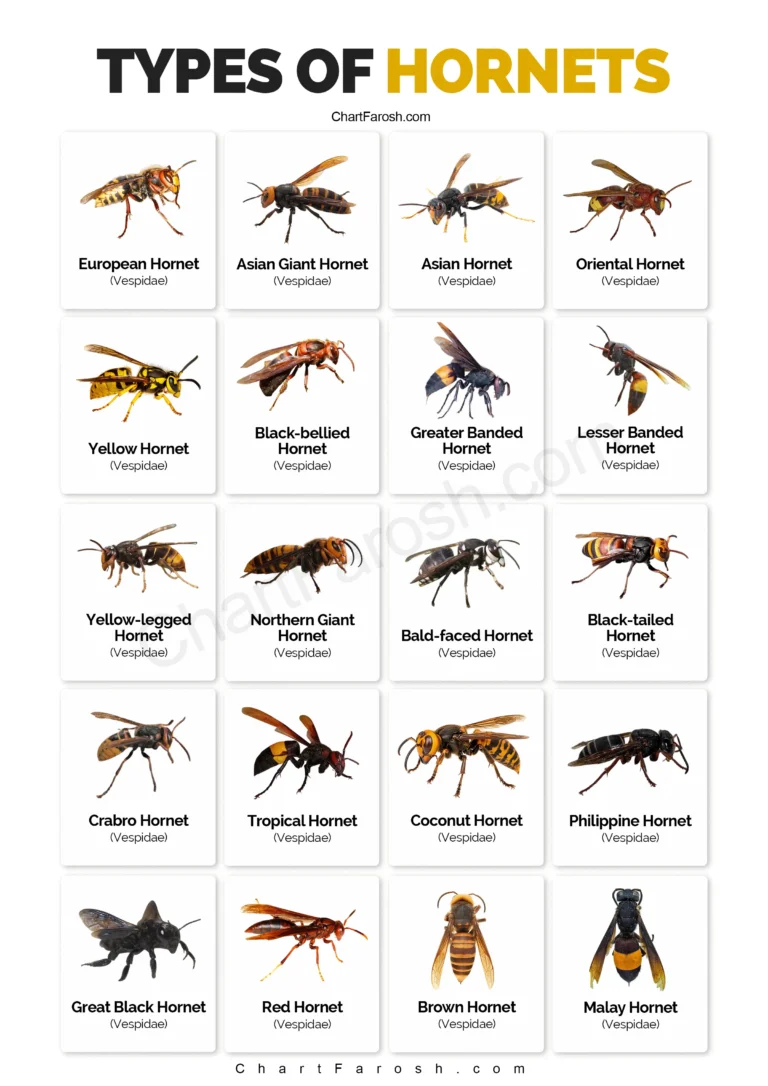
| Hornet | Larger than wasps, black and yellow or brown | Aggressive, nests are larger and more visible | Gardens, woodlands, near food sources |
| Wheat Weevil | Small, reddish-brown with a noticeable snout | Infests and feeds on stored grain | Grain bins, pantries, storage areas |
| Asian Long-Horned Beetle | Large, black with white spots and long antennae | Infests hardwood trees, causing damage | Urban areas, forests, parks |
| Termite Soldier | Larger than worker termites, with a dark head and mandibles | Protects the colony from threats | Termite colonies, wood structures |
| Termite Worker | Small, creamy-white with soft bodies | Feeds on and breaks down wood | Inside wooden structures, underground |
| Silverfish | Silvery-gray, elongated with three long tail-like appendages | Feeds on paper, glue, and fabrics | Damp areas, basements, bathrooms |
| Rove Beetle | Elongated, brown or black with short wings | Predatory, feeds on other insects | Gardens, compost piles, leaf litter |
| Click Beetle | Hard, shiny body with a distinctive clicking sound when flipped | Feeds on plant roots, larvae are soil-dwelling | Gardens, soil, leaf litter |
| Sowbug | Flat, oval, grayish with segmented body and seven pairs of legs | Feeds on decaying organic matter | Damp environments, under rocks, wood |
| Pillbug | Rounded, segmented body, able to roll into a ball | Feeds on decaying organic matter | Gardens, leaf litter, under rocks |
| Lacewing | Delicate, green wings with net-like veins | Beneficial predator of aphids and other pests | Gardens, greenhouses, crops |
| Common House Spider | Various colors, with a small body and long legs | Builds webs, preys on small insects | Indoor corners, basements, attics |
| Orb-Weaver Spider | Various colors, often large and round-bodied | Builds large, spiral webs to catch insects | Gardens, outdoor areas, shrubs |
| Grasshopper | Green or brown with long hind legs for jumping | Feeds on grass and plants, can be agricultural pests | Gardens, fields, meadows |
| Katydid | Green or brown, with long wings and long antennae | Feeds on plants, makes a distinctive noise | Gardens, forests, grasslands |
Types of Bug
Understanding the different types of bugs is essential for recognizing their roles in the environment and managing their presence effectively. Each type has specific characteristics, whether it’s related to their behavior, preferred habitat, or diet, making it easier to identify bugs by picture based on these traits.
Here’s a detailed look at the most common types of bugs you might encounter:
Beneficial Bugs
These bugs play a crucial role in the ecosystem by controlling pest populations and pollinating plants. Examples include ladybugs, which feed on aphids, and bees, essential pollinators that contribute to the growth of fruits and vegetables.
Pest Bugs
This type of bug is known for causing damage to plants, structures, or food supplies. Pests like aphids, which feed on plant sap, can weaken or kill plants, while cockroaches are notorious for contaminating food and spreading disease within homes.
Indoor Bugs
These are bugs that have adapted to living inside human habitats. Silverfish, often found in damp areas like bathrooms, feed on paper and fabric, while German cockroaches prefer warm, moist environments like kitchens.
Outdoor Bugs
Found in natural environments such as gardens, forests, and fields, outdoor bugs include grasshoppers, which can become agricultural pests by feeding on crops, and scarab beetles, which contribute to the decomposition of organic matter.
Plant-feeding Bugs
This type includes bugs that feed on the sap, leaves, or roots of plants. Mealybugs and thrips, for example, extract nutrients from plants, often leading to stunted growth and other damage.
Scavenger Bugs
Scavengers like certain types of beetles are responsible for breaking down decaying organic material, contributing to nutrient recycling in the soil. These bugs are typically found in compost piles or forest floors.
What do Bugs Look Like?
Bugs display a variety of physical traits that can help you identify them, even when their species is unknown. These traits include their size, shape, color, and other distinctive markings, which often serve as key indicators of their type. Understanding these visual cues can make the process of recognition much easier.
Below are some common physical features you might observe in different bugs:
Body Shape
Bugs can have a wide range of body shapes, from the elongated, cylindrical forms of beetles to the flattened, oval shapes of bedbugs. Ants are an example of insects with a segmented body and a thin waist, whereas spiders have a denser structure.
Size
The size of bugs varies greatly, from tiny insects like aphids that measure just a few millimeters to larger species like grasshoppers that can be several inches long. Size can be an important factor in identifying a bug, particularly in distinguishing between similar-looking species.
Color
Bugs exhibit a spectrum of colors, from the bright red of ladybugs to the dull brown of cockroaches. Some have bold, warning colors like the black and yellow stripes of wasps, while others blend into their surroundings with greens and browns for camouflage.
Markings
Distinctive markings are often a key feature in identifying bugs. For example, the shield-like pattern on a stink bug’s back or the spots on a ladybug are easily recognizable. These markings can vary widely even within the same species, offering clues to their identity.
Wing Structure
Wings are another significant trait, with some bugs having delicate, transparent wings with visible veins, like dragonflies, while others have hard, protective wing covers, like beetles. The presence or absence of wings can also be a determining factor.
Conclusion
When it comes to dealing with bugs, having a bit of knowledge can make all the difference. Instead of feeling uncertain or overwhelmed, you can take small steps to recognize and understand the insects around you.
This understanding allows you to decide how best to handle them, whether it’s taking action or simply appreciating the role they play in the world.