Types of Ants
I once watched an ant haul a crumb three times its size across my kitchen counter. It moved like it had a deadline. I flicked it outside and forgot about it.
Then I read that ants have farmed fungus for over 50 million years. That some raid other colonies for workers. That one kind blows itself up to defend its nest.
Ants are not simple. There are more than 14,000 known types of ants, and they run some of the most complex societies on Earth. A few are pests in your kitchen. Most live out of sight, doing strange and useful work.
Some sting hard enough to drop a grown adult. Some guard trees. One drinks the blood of its own young.
Below is an identification chart for 27 common types of ants, grouped by where you meet them and what they do. You will also learn why the famous velvet ant is not an ant at all.
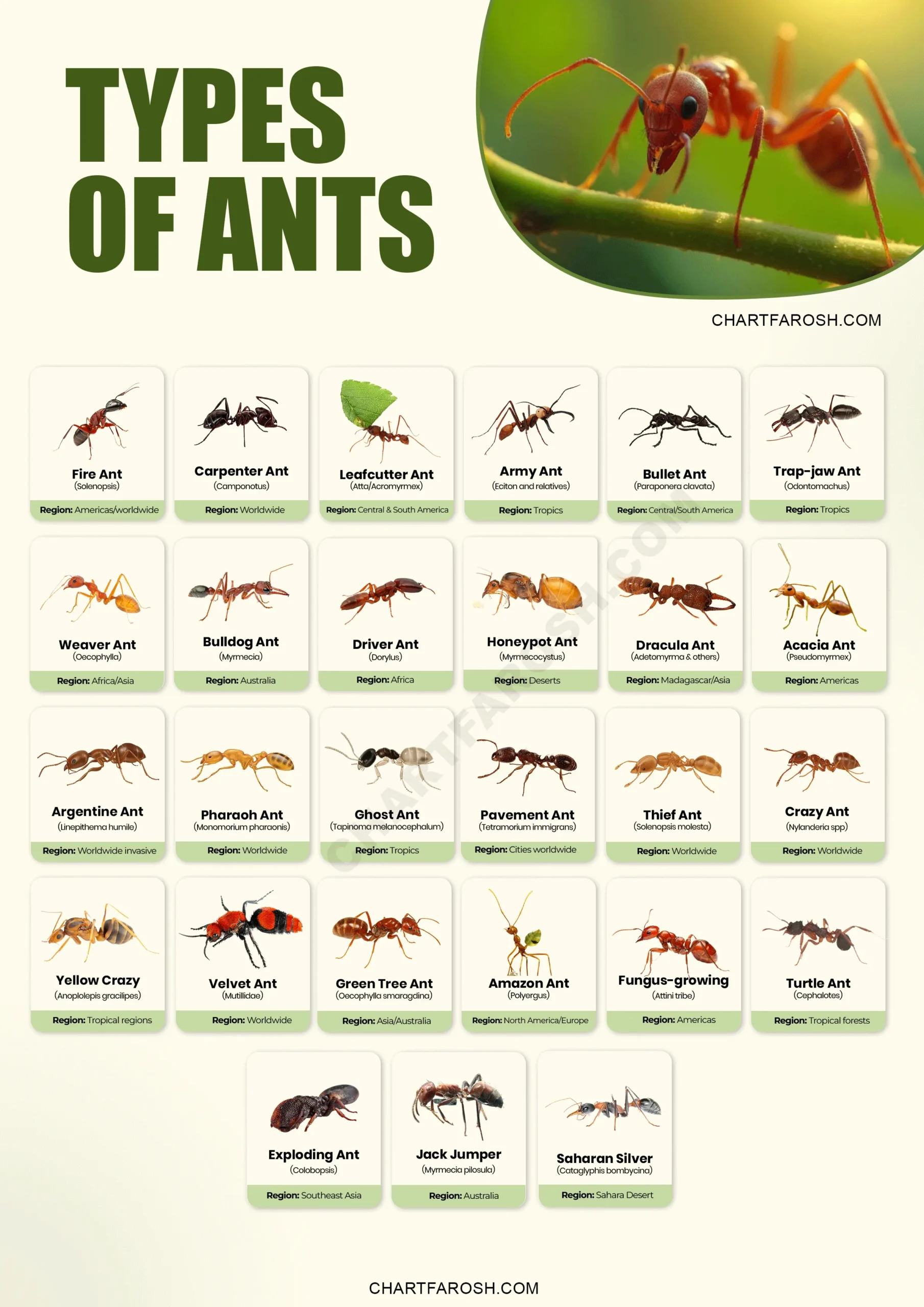
Table of Contents
Types of Ants Chart
This chart compares 27 ants by region and standout trait. Scientific groups are in italics. Some entries are a whole genus, others a single species. Use it as a quick reference, then read on for the groups that matter most.
| Ant Type | Scientific Group | Region | Main Feature |
| Fire Ant | Solenopsis | Americas, worldwide | Painful venomous sting |
| Carpenter Ant | Camponotus | Worldwide | Tunnels through wood |
| Leafcutter Ant | Atta / Acromyrmex | Central & South America | Fungus farming |
| Army Ant | Eciton and relatives | Tropics | Massive hunting swarms |
| Bullet Ant | Paraponera clavata | Central & South America | Extremely painful sting |
| Trap-jaw Ant | Odontomachus | Tropics | High-speed snapping jaws |
| Weaver Ant | Oecophylla | Africa, Asia | Leaf-woven nests |
| Bulldog Ant | Myrmecia | Australia | Large eyes and strong sting |
| Driver Ant | Dorylus | Africa | Huge aggressive colonies |
| Honeypot Ant | Myrmecocystus | Deserts | Food-storage workers |
| Dracula Ant | Adetomyrma & others | Madagascar, Asia | Feeds on its own larvae’s blood |
| Acacia Ant | Pseudomyrmex | Americas | Protects acacia trees |
| Argentine Ant | Linepithema humile | Worldwide invasive | Giant supercolonies |
| Pharaoh Ant | Monomorium pharaonis | Worldwide | Indoor pest species |
| Ghost Ant | Tapinoma melanocephalum | Tropics | Tiny translucent body |
| Pavement Ant | Tetramorium immigrans | Cities worldwide | Nests under sidewalks |
| Thief Ant | Solenopsis molesta | Worldwide | Robs neighboring colonies |
| Crazy Ant | Nylanderia spp. | Worldwide | Erratic rapid movement |
| Yellow Crazy Ant | Anoplolepis gracilipes | Tropical regions | Damaging invasive pest |
| Velvet Ant | Mutillidae | Worldwide | Actually a wasp; females mimic ants |
| Saharan Silver Ant | Cataglyphis bombycina | Sahara Desert | Heat-resistant silver body |
| Green Tree Ant | Oecophylla smaragdina | Asia, Australia | Bright green weaver ant |
| Amazon Ant | Polyergus | North America, Europe | Raids other ants for workers |
| Fungus-growing Ant | Attini tribe | Americas | Cultivates fungus gardens |
| Turtle Ant | Cephalotes | Tropical forests | Helmet-shaped heads |
| Exploding Ant | Colobopsis | Southeast Asia | Self-destructive defense |
| Jack Jumper Ant | Myrmecia pilosula | Australia | Jumping hunter with potent sting |
Most of these are true ants in the family Formicidae. One is not. The velvet ant is a wasp in disguise, covered near the end.
Common House and Garden Ants
These are the ants you actually meet. Carpenter ants tunnel into damp wood and can damage a home, though they do not eat the wood. Pavement ants nest under sidewalks and driveways and stream into kitchens for crumbs.
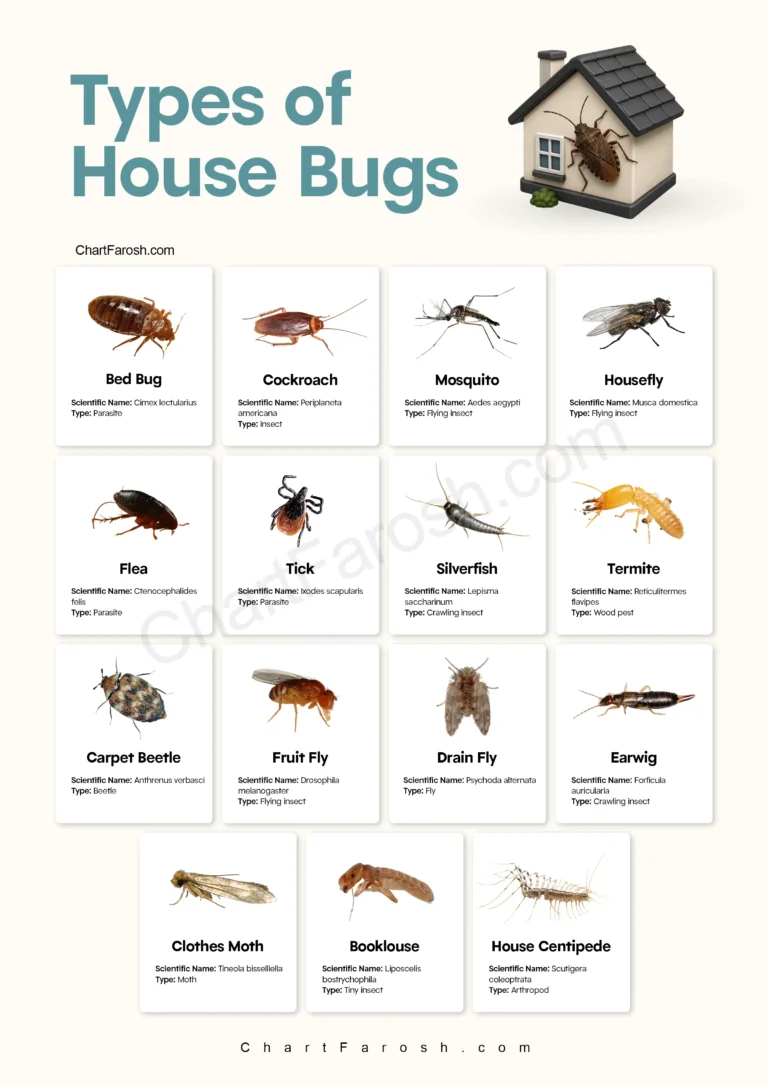
Pharaoh ants are tiny indoor pests that are hard to clear once settled. Ghost ants have pale, almost see-through legs and bodies. Argentine ants form huge linked supercolonies and push out native ants. Thief ants nest beside other ant colonies and steal their food and young. Crazy ants get their name from their fast, zig-zag running. To match a local find, use our ant identification chart.
Stinging Ants You Should Respect
Some ants pack a serious sting. Fire ants swarm and sting together, leaving itchy welts that can turn into blisters. The bullet ant has the most painful insect sting on record, said to feel like being shot.
Australia is home to bulldog ants, large hunters with big eyes and a strong sting, and the jack jumper, a bulldog-ant species that leaps at threats and causes severe allergic reactions in some people. In Africa, driver ants march in huge columns and overwhelm prey. The army ants of the tropics do the same in massive raiding swarms.
Ant Farmers and Builders
Some ants are growers and engineers. Leafcutter ants slice leaves and carry them home, not to eat, but to feed an underground fungus they farm. They are the most advanced of the fungus-growing ants, the tribe Attini, which have tended fungus gardens for millions of years.
Weaver ants pull living leaves together and stitch them with silk from their own larvae. The green tree ant is the bright green weaver ant of Asia and Australia. Honeypot ants turn some workers into living storage jars, swollen with food for the dry season. Turtle ants use flat, helmet-shaped heads to plug their nest holes like living doors.
The Strangest Ants
A few ants break every rule. The dracula ant feeds on the blood-like fluid of its own larvae without killing them. The exploding ant ruptures its own body to coat attackers in sticky toxic goo.
Trap-jaw ants snap their jaws shut at some of the fastest speeds in the animal world, fast enough to fling themselves backward. Amazon ants cannot feed themselves, so they raid other ant nests and carry off workers to do the work. Acacia ants live inside acacia trees and attack anything that touches the plant, earning food and shelter in return. The Saharan silver ant survives midday desert heat with a coat of reflective silver hairs and some of the fastest legs of any ant.
Is the Velvet Ant Really an Ant?
No. The velvet ant is a wasp, not an ant. It belongs to the family Mutillidae. The fuzzy, wingless creature you see on the ground is a female, and she only looks like a large hairy ant.
Females have no wings, which is why people mistake them for ants. Males have wings and look like normal wasps. The sting is so painful it earned the nickname cow killer, though it will not actually kill a cow or a person. You can read more at Britannica’s velvet ant entry. For true ants, the AntWiki database is the deepest reference online.
FAQs
How many types of ants are there?
More than 14,000 species have been described, and scientists think many more exist. They all belong to the family Formicidae.
What is the most painful ant sting?
The bullet ant. Its sting tops the Schmidt pain index and is often compared to being shot. The pain can last a full day.
Which ant is the most dangerous in a home?
Carpenter ants can damage wood, and pharaoh ants spread fast and are hard to remove. Fire ants are the bigger health risk outdoors because of their sting.
Do ants really farm and keep livestock?
Yes. Leafcutter and other Attini ants grow fungus for food. Many ants also tend aphids for their sugary honeydew, much like herders with cattle.
Is a velvet ant an ant?
No. It is a wasp in the family Mutillidae. Its wingless females just resemble ants, which is how it got the name.
How do I identify ants around my home?
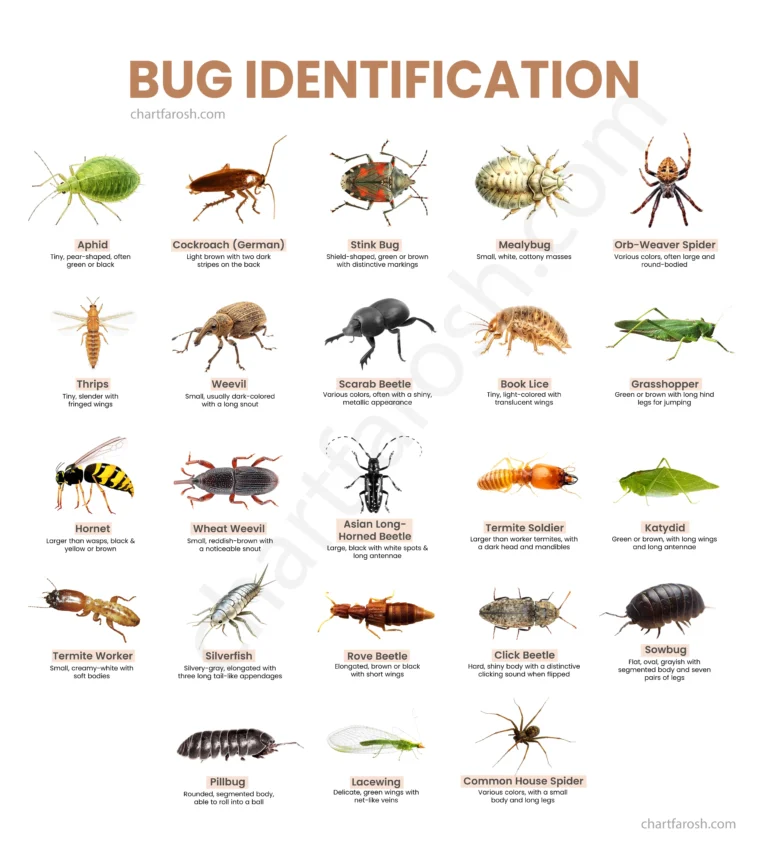
Look at the ant’s size and color, and note where it nests. Our ant identification chart and bug identification chart can help, and if you are curious about pollinators too, see our types of bees guide.