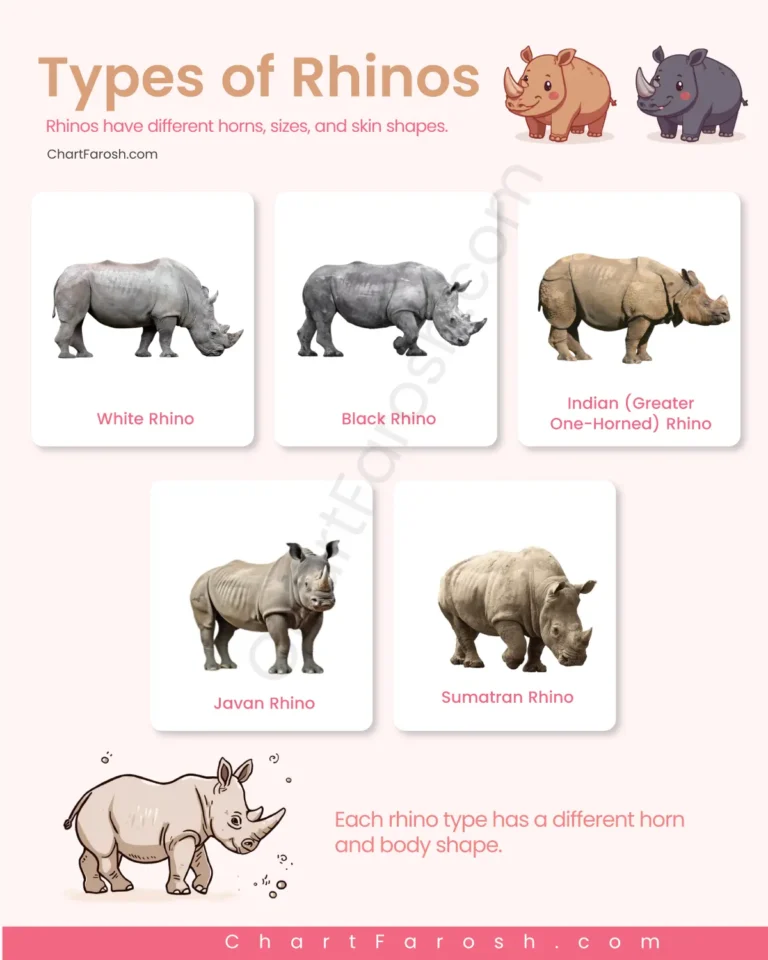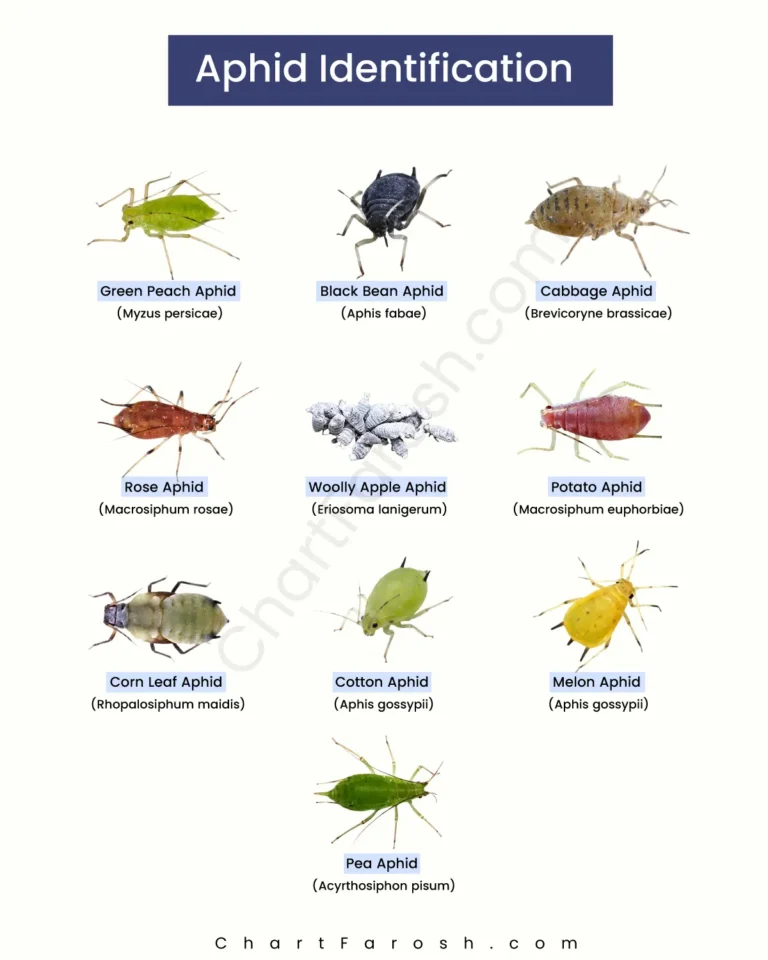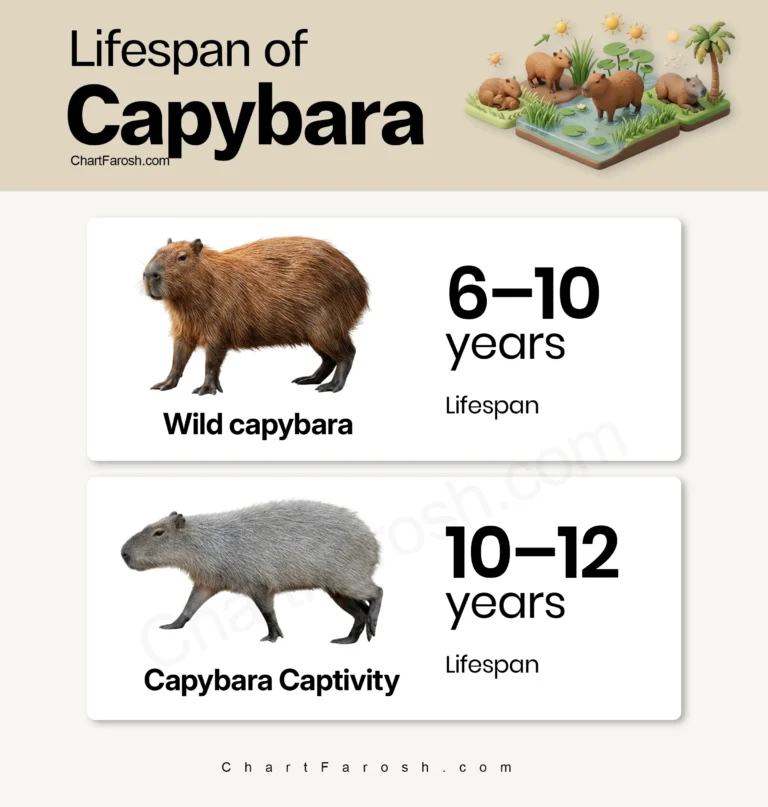
Types of Beetles
Last summer I left a porch light on by mistake. By morning the windowsill looked like a tiny parking lot. A shiny green one. A long brown one with antennae like whip wire. A round red one covered in black spots.
I started counting and gave up at fourteen. All of them beetles. None of them alike.
That morning pulled me down a rabbit hole. Beetles are the largest group of animals on Earth. Scientists have named around 400,000 species, which is roughly 40 percent of all known insects and a quarter of all animal life.
So when people ask about the types of beetles, the honest answer is that nobody can list them all. What I can do is sort the common ones into groups you will actually recognize. Garden visitors. Giants with horns. Beetles that glow. Beetles that spray boiling chemicals.
Below is a full chart of 40 beetle types, then a closer look at the families worth knowing. Sizes are in metric and imperial. The focus stays on what each beetle looks like and where you are likely to meet it.
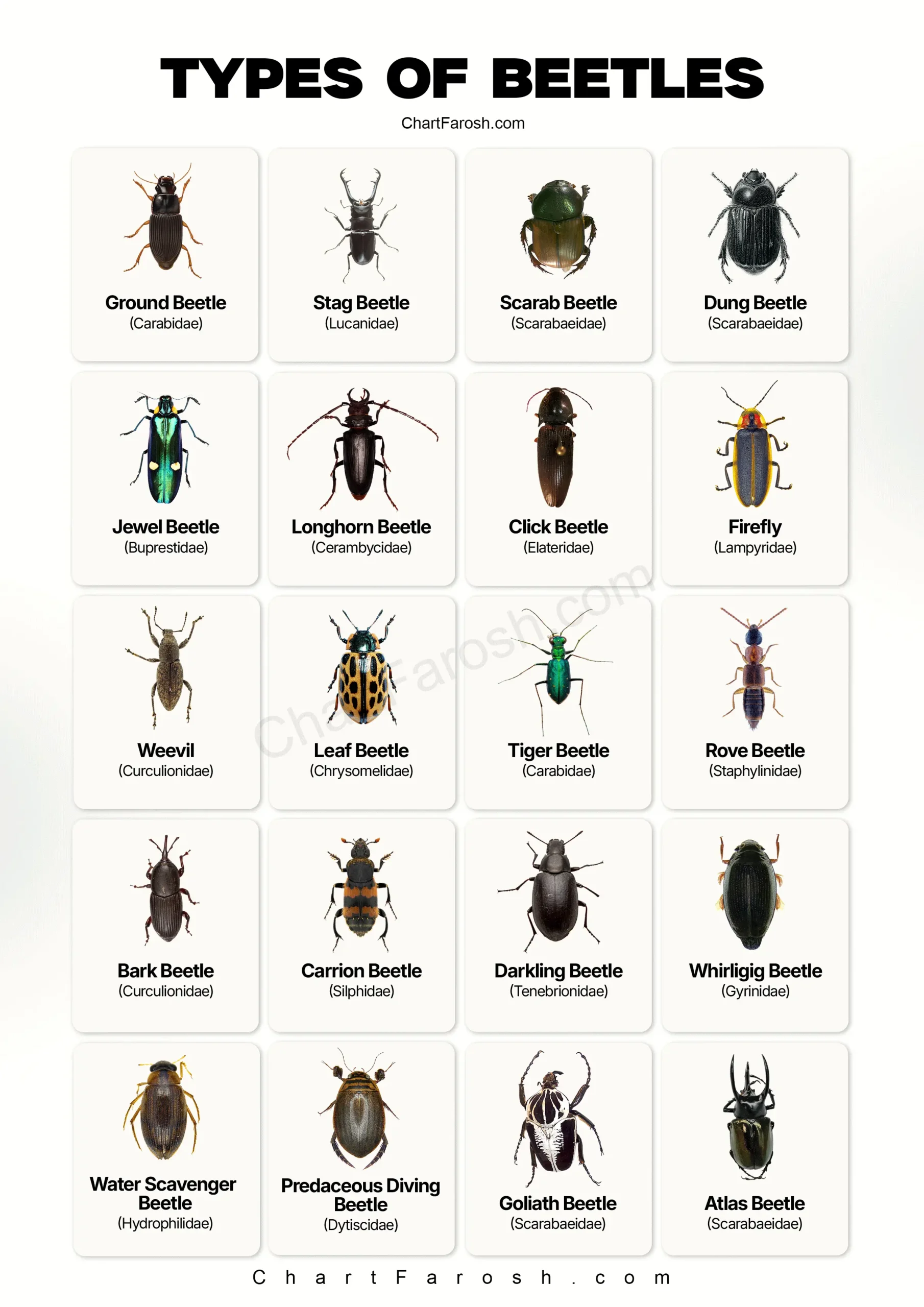
Table of Contents
Beetle Types at a Glance
Here are 40 common beetle species grouped by family. Scan the colors and key features first. They are the fastest way to narrow down what you are looking at. If you want a photo-led version, the beetle identification chart pairs each type with images.
| Beetle Type | Family | Size | Main Colors | Key Feature | Common Example |
| Lady Beetle | Coccinellidae | Small | Red, orange, yellow | Rounded body with spots | Ladybug |
| Ground Beetle | Carabidae | Small to large | Black, metallic | Fast-running predator | Black ground beetle |
| Stag Beetle | Lucanidae | Large | Dark brown, black | Antler-like jaws | European stag beetle |
| Scarab Beetle | Scarabaeidae | Medium to large | Black, green, metallic | Heavy, stout body | Dung beetles |
| Dung Beetle | Scarabaeidae | Small to medium | Black, bronze | Rolls animal dung | Sacred scarab |
| Jewel Beetle | Buprestidae | Small to medium | Metallic green or blue | Iridescent hard shell | Emerald ash borer |
| Longhorn Beetle | Cerambycidae | Medium to large | Brown, black | Very long antennae | Asian longhorned beetle |
| Click Beetle | Elateridae | Small to medium | Brown, black | Clicks and flips upright | Eyed click beetle |
| Firefly | Lampyridae | Small | Black, yellow | Glows in the dark | Lightning bug |
| Weevil | Curculionidae | Small | Brown, gray | Long snout | Rice weevil |
| Leaf Beetle | Chrysomelidae | Small to medium | Green, red, yellow | Feeds on leaves | Colorado potato beetle |
| Tiger Beetle | Carabidae | Small to medium | Metallic green, bronze | Very fast hunter | Green tiger beetle |
| Rove Beetle | Staphylinidae | Small | Black, brown | Short wing covers | Devil’s coach horse |
| Bark Beetle | Curculionidae | Tiny | Brown, black | Bores into tree bark | Mountain pine beetle |
| Carrion Beetle | Silphidae | Medium | Black with orange marks | Feeds on dead animals | Burying beetle |
| Darkling Beetle | Tenebrionidae | Medium | Black | Dry-habitat specialist | Mealworm beetle |
| Whirligig Beetle | Gyrinidae | Small | Black, shiny | Spins on water | Pond whirligig |
| Water Scavenger Beetle | Hydrophilidae | Small to large | Black, olive | Aquatic scavenger | Giant water scavenger |
| Diving Beetle | Dytiscidae | Medium to large | Dark brown | Aquatic predator | Predaceous diving beetle |
| Hercules Beetle | Scarabaeidae | Very large | Olive, black | Huge horns on males | Tropical rainforest species |
| Rhinoceros Beetle | Scarabaeidae | Large | Black, brown | Horn-like projections | Coconut rhinoceros beetle |
| Goliath Beetle | Scarabaeidae | Very large | Black and white | One of the heaviest insects | African Goliath beetle |
| Atlas Beetle | Scarabaeidae | Very large | Black | Three long horns | Southeast Asian atlas beetle |
| Titan Beetle | Cerambycidae | Very large | Brown, black | Longest beetle by body | South American titan |
| Bombardier Beetle | Carabidae | Small | Brown, orange | Sprays hot chemicals | Woodland bombardier |
| Deathwatch Beetle | Ptinidae | Small | Brown | Makes a ticking sound | Old-building deathwatch |
| Powderpost Beetle | Bostrichidae | Tiny | Brown | Damages dry wood | Hardwood powderpost |
| Blister Beetle | Meloidae | Medium | Black, striped | Releases a skin irritant | Oil beetle |
| Soldier Beetle | Cantharidae | Small to medium | Red, yellow | Soft wing covers | Leatherwing |
| Net-winged Beetle | Lycidae | Small | Orange, black | Ridged wing texture | Red net-winged beetle |
| Bess Beetle | Passalidae | Medium | Glossy black | Lives in rotting logs | Patent-leather beetle |
| Tortoise Beetle | Chrysomelidae | Small | Green, gold | Turtle-shaped shell | Golden tortoise beetle |
| Flea Beetle | Chrysomelidae | Tiny | Black, metallic | Jumping hind legs | Crop flea beetle |
| June Beetle | Scarabaeidae | Medium | Brown | Active at night | May or June bug |
| Japanese Beetle | Scarabaeidae | Medium | Metallic green | Serious garden pest | Garden Japanese beetle |
| Colorado Potato Beetle | Chrysomelidae | Small | Yellow with black stripes | Potato crop pest | Field potato beetle |
| Asian Longhorned Beetle | Cerambycidae | Large | Black with white spots | Tree-boring pest | Hardwood ALB |
| Emerald Ash Borer | Buprestidae | Small | Metallic emerald green | Kills ash trees | Forest ash borer |
| Mealworm Beetle | Tenebrionidae | Medium | Dark brown | Larvae used as feed | Grain mealworm beetle |
| Sacred Scarab | Scarabaeidae | Medium | Black | Ancient Egyptian symbol | Desert sacred scarab |
What Makes a Beetle a Beetle
All beetles share one clear trait. Their front wings are hardened into shells called elytra. These shells meet in a straight line down the back and cover a second, softer pair of wings used for flight.
Look for that center seam first. Then check the antennae and the body shape. A long snout points to a weevil. Antler jaws point to a stag beetle. Clubbed, fan-like antennae point to the scarab family. For a wider sweep of crawling insects, the bug identification chart helps you tell beetles apart from true bugs.
Common Garden and Backyard Beetles
Most beetles you meet are garden beetles. Some help you. Ladybugs and ground beetles eat aphids and other pests. Others do damage. Japanese beetles and the Colorado potato beetle can strip a plant fast.
| Beetle | Family | Main Colors | Key Feature | Pest or Helper |
| Lady Beetle | Coccinellidae | Red, orange, yellow | Spotted dome shell | Helper, eats aphids |
| Ground Beetle | Carabidae | Black, metallic | Runs at night | Helper, eats pests |
| Soldier Beetle | Cantharidae | Red, yellow | Soft wing covers | Helper, pollinates |
| Leaf Beetle | Chrysomelidae | Green, red, yellow | Chews leaf edges | Pest on many plants |
| Japanese Beetle | Scarabaeidae | Metallic green | Skeletonizes leaves | Pest on 300+ plants |
| Colorado Potato Beetle | Chrysomelidae | Yellow, black stripes | Stripes down the back | Pest on potatoes |
| Flea Beetle | Chrysomelidae | Black, metallic | Jumps when touched | Pest on seedlings |
Before you reach for spray, check which side a beetle is on. Many are working in your favor. The beneficial insects chart shows which garden visitors to leave alone.
The Largest Beetles in the World
The largest beetles in the world are a mix of scarabs and one giant longhorn. The Hercules beetle is the longest once you count its horns, reaching about 7 inches. The titan beetle is the longest by body alone. The Goliath beetle is among the heaviest, and its larvae can top 100 grams, heavier than a small bird.
| Beetle | Family | Length | Region | Standout Trait |
| Hercules Beetle | Scarabaeidae | 5 to 7 in (12.5 to 17 cm) | Central and South America | Longest beetle, with horns |
| Titan Beetle | Cerambycidae | 6 to 6.7 in (15 to 17 cm) | Amazon, South America | Longest beetle by body alone |
| Goliath Beetle | Scarabaeidae | 4 to 4.3 in (10 to 11 cm) | Equatorial Africa | Among the heaviest beetles |
| Atlas Beetle | Scarabaeidae | 2.5 to 5 in (6 to 13 cm) | Southeast Asia | Three large horns on males |
| Rhinoceros Beetle | Scarabaeidae | 1.5 to 2.4 in (4 to 6 cm) | Tropics worldwide | Lifts many times its weight |
| Stag Beetle | Lucanidae | 1 to 3 in (2.5 to 7.5 cm) | Europe, parts of Asia | Antler-shaped jaws on males |
Males grow the big horns and jaws. They use them to wrestle rivals, not to bite people. A stag beetle can pinch, but it would rather climb away than fight you.
Beetles With Strange Defenses
A few beetles have tricks that sound made up. The bombardier beetle mixes two chemicals inside its body and sprays a hot jet at attackers. The spray hits near 100 degrees Celsius, the temperature of boiling water, with an audible pop.
| Beetle | Family | Defense or Trick | Where Found |
| Bombardier Beetle | Carabidae | Sprays a chemical near 100°C (212°F) | Woodlands, every continent but Antarctica |
| Click Beetle | Elateridae | Snaps a hinge to flip upright with a click | Fields and woodlands worldwide |
| Firefly | Lampyridae | Glows to attract mates | Warm, humid grasslands and woods |
| Blister Beetle | Meloidae | Releases cantharidin that blisters skin | Meadows and crop fields |
Fireflies use chemistry too, but for romance. Their glow is a cold light made in the abdomen. Each species flashes its own pattern so mates can find each other in the dark.
Beetles That Live in Water
Not all beetles stay on land. A group of water beetles spends most of its life in ponds and slow streams. They carry a bubble of air under the elytra and surface now and then to refill it.
| Beetle | Family | Behavior | Habitat |
| Whirligig Beetle | Gyrinidae | Spins in circles on the surface | Ponds and slow streams |
| Water Scavenger Beetle | Hydrophilidae | Cleans up dead plant matter | Still freshwater |
| Diving Beetle | Dytiscidae | Hunts tadpoles and small fish | Ponds, ditches, lake edges |
Whirligig beetles are the easy ones to spot. They spin in tight circles on the surface, and their eyes are split so they can watch above and below the water at the same time.
Wood-Boring and Household Pest Beetles
Some beetles are a real problem for trees and timber. These wood-boring beetles tunnel through bark, beams, and furniture. The emerald ash borer alone has killed tens of millions of ash trees across North America.
| Beetle | Family | Target | Damage | Region |
| Bark Beetle | Curculionidae | Living conifers | Tunnels under bark | North America, Europe |
| Emerald Ash Borer | Buprestidae | Ash trees | Kills the tree in years | North America, Asia |
| Asian Longhorned Beetle | Cerambycidae | Hardwood trees | Bores deep into wood | Asia, invasive in US |
| Deathwatch Beetle | Ptinidae | Old structural timber | Weakens beams over time | Europe, North America |
| Powderpost Beetle | Bostrichidae | Dry hardwood | Turns wood to fine dust | Worldwide |
| Weevil | Curculionidae | Stored grain and seeds | Ruins pantry stores | Worldwide |
Two of these are watched closely by agencies. You can report sightings of the emerald ash borer and the Asian longhorned beetle to the USDA, which tracks their spread and runs removal programs.
Decomposer and Scavenger Beetles
This last group does the cleanup. Dung beetles, carrion beetles, and their relatives bury waste and break down dead matter. The ancient Egyptians watched dung beetles roll their balls of dung and turned the sacred scarab into a symbol of the rising sun.
| Beetle | Family | Role in Nature | Example |
| Dung Beetle | Scarabaeidae | Buries and recycles animal dung | Sacred scarab |
| Carrion Beetle | Silphidae | Breaks down dead animals | Burying beetle |
| Rove Beetle | Staphylinidae | Eats decay and small pests | Devil’s coach horse |
| Bess Beetle | Passalidae | Digests rotting logs | Patent-leather beetle |
| Darkling Beetle | Tenebrionidae | Recycles dry plant matter | Mealworm beetle |
A single dung beetle can bury dung many times its own weight in one night. Without these beetles, pastures would pile up fast and pests like flies would multiply.
FAQs
How many types of beetles are there?
Scientists have described around 400,000 beetle species, and many more are still unnamed. Beetles make up about 40 percent of all known insects.
What is the largest beetle in the world?
By length the Hercules beetle wins, reaching about 7 inches with its horns. By weight the Goliath beetle and a few rhinoceros beetles compete for the top spot.
Are beetles insects or bugs?
Beetles are insects in the order Coleoptera. True bugs belong to a different order. The simple test is the hard wing covers that meet in a straight seam down a beetle’s back.
Which beetles are harmful to my garden?
Japanese beetles, the Colorado potato beetle, and flea beetles cause the most plant damage. Ladybugs and ground beetles, on the other hand, help by eating pests.
Do beetles bite people?
Most beetles do not bite. A stag beetle can pinch and a blister beetle can irritate skin, but neither is dangerous. Bites are rare and usually a last resort.
How do I identify a beetle I found?
Start with size, color, and body shape, then check the antennae and any horns or a snout. For a closer match, compare your photo against the beetle identification chart, and use the bug identification chart if you are not sure it is a beetle at all.